Efficient shipment visibility has become a critical part of modern supply chain operations, making Logistics tracking an essential process for businesses and customers alike. Logistics tracking allows companies to monitor the movement of goods from dispatch to final delivery while improving accuracy, transparency, and operational control across the supply chain. Modern tracking systems provide real-time shipment updates, reduce communication gaps, and help businesses respond quickly to delivery changes. Companies operating across international markets also depend on global logistics tracking solutions to maintain visibility, improve customer experience, and support more efficient transportation and fulfillment processes.
How Logistics Tracking Works?
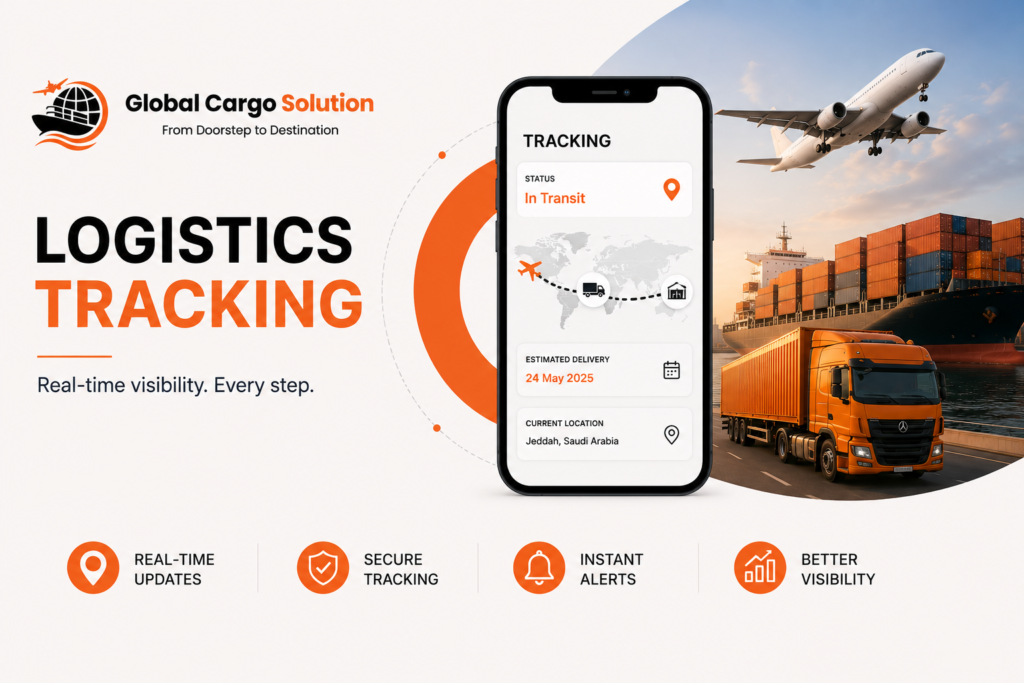
Understanding how Logistics tracking functions helps businesses improve shipment management and supply chain visibility. Tracking systems collect and process shipment data at different stages of transportation, allowing users to monitor cargo movement in real time. Information is updated through scanning points, integrated software platforms, GPS technologies, and carrier networks.
These systems provide details such as shipment location, transit status, estimated delivery timing, and operational milestones. Businesses and customers rely on continuous tracking updates to reduce uncertainty, improve communication, and make faster decisions when shipment schedules or transportation conditions change.
Importance of Logistics Tracking in Supply Chains?
A clear understanding of Logistics tracking is essential for improving supply chain efficiency and operational reliability. Tracking systems allow businesses to monitor goods in transit, identify delays early, and maintain accurate delivery schedules across domestic and international routes.
Effective tracking improves decision-making by providing real-time shipment insights and reducing communication gaps between stakeholders. Companies also rely on all cargo logistics tracking systems to manage bulk shipments and ensure accurate coordination across multiple transportation modes. This level of visibility helps organizations minimize risks, improve customer satisfaction, and maintain stronger control over logistics performance.
Types of Logistics Tracking Systems?
Businesses using Logistics tracking rely on different systems to monitor shipment movement across local and international supply chains. These systems include barcode-based tracking, GPS tracking, RFID systems, and cloud-based logistics platforms. Each method provides a different level of visibility depending on the type of cargo and transportation network.
Advanced systems also support integrated dashboards that combine multiple data sources into a single interface. This improves operational efficiency and reduces delays in communication. Companies involved in international trade often depend on worldwide logistics tracking solutions to maintain visibility across multiple carriers, ports, and distribution channels.
Benefits of Using Logistics Tracking in Modern Business?
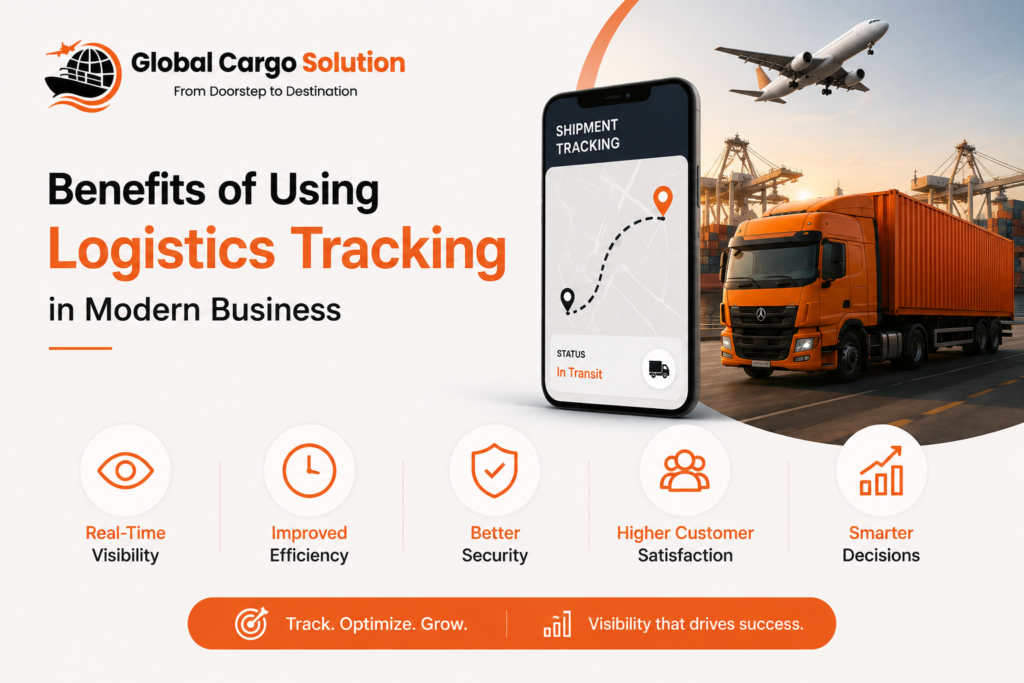
Implementing Logistics tracking provides measurable advantages for businesses that depend on timely and accurate shipment delivery. Real-time tracking improves transparency across the supply chain, allowing companies to monitor goods from dispatch to final delivery with greater accuracy. This reduces uncertainty and enhances operational control.
Tracking systems also help reduce delays, improve communication with customers, and optimize route planning for transportation efficiency. Businesses gain better visibility over inventory movement and can respond quickly to disruptions. The use of logistics tracking number systems further improves accuracy by enabling precise identification and monitoring of individual shipments across different logistics networks.
Key Challenges in Logistics Tracking Systems?
Despite its advantages, Logistics tracking can face several operational challenges that affect accuracy and performance. Common issues include delayed data updates, system integration problems between carriers, inconsistent scanning points, and limited visibility in remote regions. These factors can reduce the reliability of shipment information.
Another challenge is dependency on technology infrastructure, where system downtime or poor connectivity may interrupt real-time updates. Businesses must also manage data accuracy across multiple logistics providers. Addressing these challenges requires stronger integration, better automation, and improved coordination across supply chain partners to ensure consistent and reliable tracking performance.
Future of Logistics Tracking and Technology?
The future of Logistics tracking is strongly driven by automation, artificial intelligence, and real-time data integration across global supply chains. Businesses are increasingly adopting smart tracking systems that provide predictive insights, automated alerts, and enhanced shipment visibility from origin to final delivery.
Emerging technologies such as IoT sensors, blockchain verification, and AI-based route optimization are improving accuracy and reducing operational delays. These advancements are strengthening tracking capabilities by making data more transparent, secure, and accessible across multiple stakeholders. As a result, companies can achieve faster decision-making and more reliable global distribution performance.
Conclusion
In modern supply chain operations, Logistics tracking has become a core requirement for ensuring transparency, accuracy, and efficiency in shipment management. It enables businesses to monitor cargo movement in real time, reduce operational uncertainty, and improve coordination across transportation networks.
With increasing global trade complexity, advanced tracking systems help organizations maintain control over deliveries while improving customer satisfaction. Companies that invest in reliable tracking technologies gain stronger visibility, faster response capabilities, and more efficient logistics performance across both domestic and international markets.
Frequently Asked Questions (FAQs)
1. What is Logistics tracking?
It is the process of monitoring shipments in real time from dispatch to final delivery using digital systems, carrier updates, and scanning technologies.
2. How does global logistics tracking work?
Global logistics tracking works by collecting shipment data from multiple carriers and systems, allowing users to view real-time updates across international transportation networks.
3. What is a logistics tracking number?
A logistics tracking number is a unique identifier assigned to a shipment that allows businesses and customers to monitor its status and location throughout the delivery process.
4. Why is tracking important in logistics?
Tracking improves visibility, reduces delays, enhances customer communication, and helps businesses manage supply chain operations more efficiently.
5. What is worldwide logistics tracking?
Worldwide logistics tracking refers to systems that provide end-to-end visibility of shipments across multiple countries, carriers, and transportation modes.
6. Can logistics tracking reduce delivery delays?
Yes. Accurate Tracking helps identify delays early, improve route planning, and enhance coordination between logistics partners, reducing overall delivery disruptions.