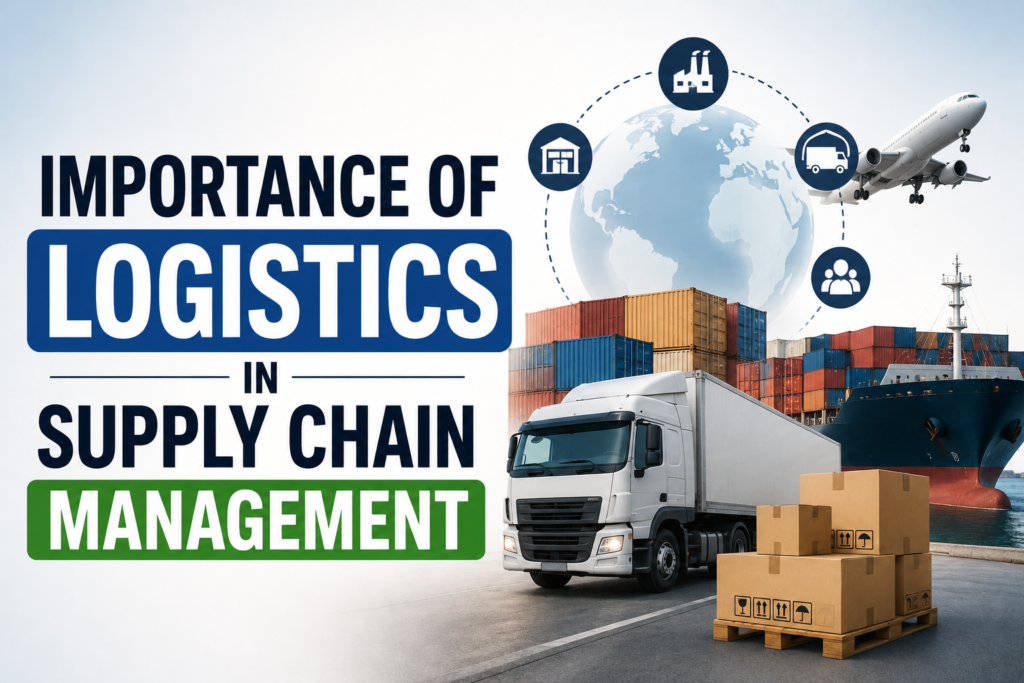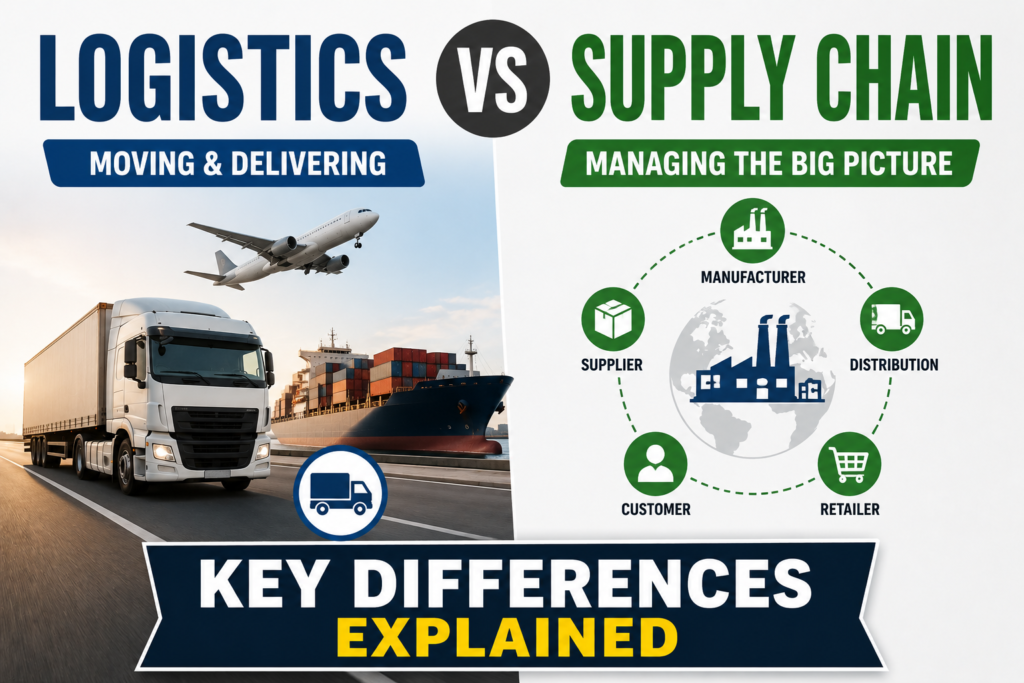
Understanding Logistics vs Supply Chain is essential for businesses that want to improve efficiency, reduce costs, and deliver better customer experiences. Although these terms are often used interchangeably, they describe different parts of the product journey. Logistics focuses mainly on the movement, storage, handling, and delivery of goods, while the supply chain covers a wider network that includes sourcing, procurement, manufacturing, inventory planning, logistics, and final distribution. Knowing the difference helps companies assign responsibilities more clearly, improve operational planning, and identify where delays or unnecessary expenses occur. This guide explains Logistics in simple terms, compares their scope and objectives, and shows how both functions work together to support reliable operations, stronger customer satisfaction, and long-term business growth.
What Is Logistics?
To understand Logistics vs Supply Chain, it is important to first define logistics. Logistics is the process of planning, implementing, and controlling the efficient movement and storage of goods from their point of origin to the final customer. It includes activities such as transportation, warehousing, inventory control, order fulfilment, packaging, material handling, shipment tracking, and returns management. The primary goal of logistics is to ensure products arrive at the right place, at the right time, in the right condition, and at the lowest practical cost. Effective Business Logistics improves operational efficiency, reduces delays, minimizes waste, and enhances customer satisfaction. Understanding the logistics function makes it easier to recognize how it contributes to the broader relationship between both in modern business operations.
What Is Supply Chain Management?
Understanding Logistics vs Supply Chain also requires knowing what supply chain management involves. Supply chain management is the strategic coordination of every activity required to move a product from raw materials to the final customer. It includes supplier management, procurement, manufacturing, production planning, demand forecasting, inventory planning, logistics, distribution, and customer service. Unlike logistics, which focuses primarily on execution, supply chain management oversees the entire network to ensure every stage works together efficiently. Its objective is to optimize costs, improve collaboration, maintain product availability, and increase overall business performance. By understanding the broader responsibilities of supply chain management, businesses can clearly see why Logistics represents two closely connected functions with different scopes, responsibilities, and strategic objectives.
Logistics vs Supply Chain at a Glance
Understanding Logistics vs Supply Chain becomes easier when comparing their core responsibilities side by side. Although both functions work toward delivering products efficiently, they differ in scope, objectives, and decision-making. Logistics focuses on the movement, storage, and delivery of goods, while the supply chain manages the complete flow of products, information, and resources from suppliers to customers. The table below highlights the key differences.
| Comparison | Logistics | Supply Chain |
| Primary Focus | Movement and storage of goods | End-to-end product lifecycle |
| Scope | Operational activities | Strategic and operational activities |
| Main Goal | Efficient delivery | Overall business efficiency |
| Key Activities | Transportation, warehousing, distribution | Procurement, production, logistics, distribution |
| Decision Level | Daily execution | Long-term planning |
| Performance Measure | Delivery speed, cost, accuracy | Profitability, customer satisfaction, resilience |
Recognizing these distinctions helps businesses better understand Logistics and improve coordination across every stage of product movement.
Difference in Scope and Responsibilities
One of the biggest distinctions in Logistics vs Supply Chain is the scope of responsibilities each function manages. Logistics is responsible for the operational movement of goods, including cargo transportation, warehouse operations, inventory movement, order processing, packing, and final delivery. In contrast, the supply chain oversees the complete product journey, beginning with supplier selection, raw material sourcing, procurement, manufacturing, production planning, and continuing through logistics until products reach the customer. While logistics concentrates on executing daily operations efficiently, the supply chain focuses on coordinating every department and partner involved in creating and delivering products. Understanding these different responsibilities allows businesses to allocate resources effectively, improve collaboration, reduce operational inefficiencies, and better manage Logistics to achieve stronger overall business performance.
Strategic Planning vs Daily Execution
A major difference in Logistics vs Supply Chain is how each function approaches planning and execution. Supply chain management focuses on long-term strategies that guide the entire product lifecycle, such as selecting suppliers, forecasting customer demand, planning production capacity, managing inventory policies, and designing efficient distribution networks. Logistics, on the other hand, concentrates on daily execution by coordinating shipments, scheduling deliveries, managing warehouse activities, tracking cargo, and ensuring products reach customers on time. These operational tasks support the broader strategic goals established by the supply chain. Businesses achieve the best results when long-term planning and day-to-day logistics work together seamlessly. Understanding this distinction helps organizations improve decision-making, optimize resources, respond quickly to changing market conditions, and strengthen the overall performance of both operations.
Procurement Separates the Two Functions
One of the clearest ways to understand Logistics vs Supply Chain is by examining the role of procurement. Procurement belongs to the broader supply chain because it focuses on selecting suppliers, negotiating contracts, purchasing raw materials, evaluating quality standards, and ensuring essential resources are available for production. Logistics becomes involved only after these materials have been purchased, managing their transportation, storage, and movement to manufacturing facilities or distribution centers. While procurement determines what products should be sourced, from whom, and at what cost, logistics ensures those products reach the right destination efficiently and safely. This distinction highlights why procurement is considered a strategic business function, whereas logistics is primarily responsible for operational execution. Understanding this relationship helps businesses optimize Logistics and improve coordination between sourcing and product movement.
Production Planning Belongs to Supply Chain
Another important distinction in Logistics vs Supply Chain is the responsibility for production planning. Supply chain management determines how much should be produced, when production should begin, and how available resources, labor, equipment, and materials are allocated to meet customer demand. It also considers demand forecasting, production capacity, supplier performance, and inventory requirements to maintain a balanced workflow. Logistics supports this process by ensuring raw materials arrive on time and finished products are transported efficiently to warehouses and customers. Without effective coordination between production planning and logistics, businesses may experience manufacturing delays, excess inventory, stock shortages, and missed delivery deadlines. Understanding this relationship helps organizations improve efficiency, reduce operational risks, and achieve better performance across Logistics while maintaining a consistent flow of products.
Transportation Is a Logistics Function
A key difference in Logistics vs Supply Chain is the role of transportation. Transportation is a core logistics activity responsible for moving goods safely and efficiently between suppliers, manufacturing facilities, warehouses, distribution centers, and customers. It includes selecting the most suitable shipping method, planning delivery routes, scheduling shipments, managing carriers, and monitoring transit performance. Whether goods move by road freight, air freight, sea freight, or multimodal transport, efficient Transportation and Logistics directly influence delivery speed, product condition, and operating costs. While the supply chain determines the overall movement strategy and network design, logistics executes the physical transportation process. Understanding this distinction helps businesses optimize Logistics, improve delivery reliability, reduce transportation expenses, and ensure products reach customers on time with consistent service quality.
Warehousing and Inventory Roles
Understanding Logistics vs Supply Chain also requires recognizing how warehousing and inventory are managed within each function. Logistics is responsible for day-to-day warehouse operations, including receiving goods, storage, order picking, packing, dispatch, and maintaining accurate inventory records. The supply chain, however, determines broader inventory strategies such as stock levels, warehouse locations, replenishment planning, and product availability based on customer demand. While logistics ensures products are stored safely and moved efficiently, the supply chain decides how much inventory should be available and where it should be positioned to support business objectives. This coordinated approach reduces stock shortages, avoids unnecessary storage costs, and improves operational efficiency. Understanding these responsibilities makes Logistics easier to distinguish while showing how both functions work together to maintain a smooth flow of goods.
Different Goals and Performance Measures
Although Logistics vs Supply Chain are closely connected, they are measured using different performance indicators because their objectives are not the same. Logistics focuses on operational efficiency, evaluating metrics such as on-time delivery, transportation costs, order accuracy, warehouse productivity, shipment damage rates, and delivery speed. Supply chain management measures broader business performance through supplier reliability, inventory turnover, demand forecast accuracy, production efficiency, customer service levels, and overall profitability. These key performance indicators help organizations identify improvement opportunities across different stages of product movement and planning. Strong logistics performance contributes directly to supply chain success, while effective supply chain strategies create the foundation for efficient logistics operations. Understanding these different goals enables businesses to optimize Logistics, improve decision-making, and maintain consistent operational and financial performance.
How Both Functions Work Together
Rather than competing with each other, Logistics vs Supply Chain are complementary functions that work together to deliver products efficiently from origin to customer. The supply chain develops the overall strategy by coordinating sourcing, procurement, production, inventory planning, and distribution, while logistics executes the physical movement and storage of goods throughout that process. For example, a retailer may forecast customer demand, purchase inventory, and plan production through the supply chain, while logistics manages warehousing, shipment scheduling, transportation, and final delivery. When these functions operate in harmony, businesses reduce delays, improve product availability, and enhance customer satisfaction.
Technology Used in Each Function
Technology plays a vital role in improving the efficiency of Logistics vs Supply Chain by providing greater visibility, accuracy, and operational control. Logistics teams rely on tools such as GPS tracking, warehouse management systems (WMS), transportation management systems (TMS), barcode scanning, RFID, and electronic proof of delivery to monitor shipments and optimize warehouse operations. Supply chain management uses broader technologies, including enterprise resource planning (ERP), artificial intelligence, predictive analytics, demand forecasting software, and supplier management platforms to support strategic planning and decision-making. These integrated systems enable businesses to share real-time information, anticipate disruptions, improve inventory accuracy, and enhance collaboration across departments.
Risk Management and Resilience
Effective risk management is another important aspect of Logistics vs Supply Chain because both functions help businesses prepare for unexpected disruptions. Supply chain management focuses on strategic risks such as supplier shortages, production interruptions, fluctuating customer demand, and sourcing challenges that can affect long-term operations. Logistics addresses operational risks including transportation delays, damaged cargo, customs inspections, route disruptions, warehouse issues, and delivery failures. By identifying potential risks early and developing contingency plans, businesses can minimize operational interruptions and maintain consistent product flow. Real-time shipment visibility, alternative transportation routes, reliable supplier relationships, and proactive communication all contribute to stronger business resilience. Understanding how these responsibilities are divided enables organizations to strengthen Logistics vs Supply Chain, protect customer commitments, reduce financial losses, and maintain stable operations during changing market conditions.
Customer Experience and Business Growth
The impact of Logistics vs Supply Chain extends beyond internal operations and directly influences customer satisfaction and long-term business growth. Supply chain management ensures products are sourced, produced, and available to meet customer demand, while logistics ensures those products are stored, transported, and delivered accurately and on time. When both functions operate efficiently, businesses experience fewer stock shortages, faster deliveries, improved order accuracy, and stronger customer confidence. Reliable product availability and consistent delivery performance encourage repeat purchases, positive reviews, and long-term customer loyalty. In contrast, poor coordination between supply chain planning and logistics execution can result in delays, inventory shortages, damaged shipments, and lost sales. Understanding the relationship between Logistics vs Supply Chain helps organizations create a seamless customer experience while supporting sustainable growth, operational excellence, and a stronger competitive advantage.
Logistics and Supply Chains in Saudi Arabia
The importance of Logistics vs Supply Chain continues to grow as Saudi Arabia strengthens its position as a regional hub for trade, manufacturing, and distribution. Major cities such as Riyadh, Jeddah, Dammam, Al Khobar, and Jubail rely on efficient logistics networks to support industries including retail, construction, healthcare, manufacturing, oil and gas, and e-commerce. Businesses operating across the Kingdom require effective sourcing strategies, dependable transportation, modern warehousing, and coordinated distribution to meet increasing customer expectations. As regional and international trade expands, companies that align supply chain planning with efficient logistics execution can improve delivery performance, reduce operating costs, and strengthen competitiveness. Understanding Logistics enables organizations to build more resilient operations and support sustainable growth throughout Saudi Arabia and the wider GCC market.
When Should a Business Outsource Logistics?
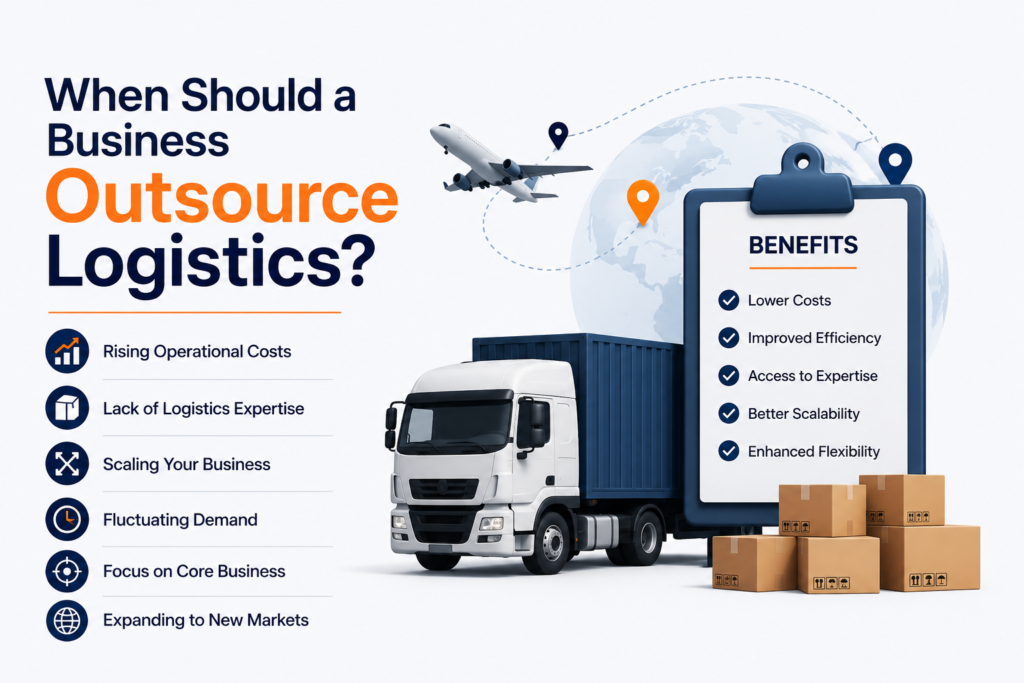
As businesses expand, managing logistics internally can become increasingly complex and expensive. Understanding Logistics vs Supply Chain helps organizations recognize that while they may retain strategic supply chain planning, outsourcing logistics can improve operational efficiency. Companies should consider outsourcing when they experience rising transportation costs, limited warehouse capacity, frequent delivery delays, seasonal demand fluctuations, or expansion into new domestic and international markets. Professional logistics providers offer experienced teams, established carrier networks, advanced tracking systems, customs expertise, and scalable infrastructure that reduce operational burdens and improve service reliability. By partnering with specialists, businesses can focus on procurement, production, and customer growth while ensuring products move efficiently through every stage of distribution.
How Global Cargo Solution Supports You
At Global Cargo Solution, we understand that successful business operations depend on the effective coordination of Logistics vs Supply Chain. Our experienced team provides reliable freight and logistics solutions that help businesses move cargo safely, efficiently, and on schedule. We offer freight forwarding, road freight, air freight, sea freight, warehousing, customs clearance, shipment tracking, packing, and door-to-door delivery services tailored to each client’s requirements. By combining operational expertise with modern logistics practices, we help businesses reduce transportation challenges, improve delivery reliability, and maintain smooth product movement across domestic and international routes. Whether you are managing local distribution or cross-border shipments, our customized solutions support efficient supply chain execution, allowing your business to focus on growth while we handle the complexities of cargo transportation and logistics.
Conclusion
Understanding Logistics vs Supply Chain is essential for businesses that want to improve efficiency, reduce costs, and deliver exceptional customer experiences. While logistics focuses on the movement, storage, and delivery of goods, the supply chain manages the broader network of sourcing, procurement, production, inventory planning, and distribution. Both functions are interconnected, and success depends on how effectively they work together to keep products flowing from suppliers to customers. Businesses that invest in strong planning, efficient execution, and modern technology can improve operational performance, strengthen customer satisfaction, and achieve sustainable growth. At Global Cargo Solution, we provide dependable logistics expertise to support your transportation and distribution needs, helping your business move cargo safely, efficiently, and on time while building a stronger and more resilient supply chain.
Frequently Asked Questions
1. What is the difference between Logistics vs Supply Chain?
The main difference is that logistics focuses on the movement, storage, and delivery of goods, while the supply chain manages the complete product lifecycle, including sourcing, procurement, production, inventory planning, logistics, and distribution. Logistics is one important component of the broader supply chain.
2. Is logistics a part of the supply chain?
Yes. Logistics is a core function within the supply chain. It is responsible for transportation, warehousing, inventory movement, order fulfilment, packaging, and delivery, while supply chain management oversees the entire network that brings products from suppliers to end customers.
3. Which is broader: logistics or supply chain management?
Supply chain management has a broader scope because it includes supplier management, procurement, production planning, inventory strategy, logistics, distribution, and customer service. Logistics mainly focuses on executing the physical movement and storage of goods efficiently.
4. Why is understanding logistics and supply chain important?
Understanding the difference helps businesses improve operational planning, allocate responsibilities effectively, reduce costs, streamline product movement, strengthen supplier coordination, and deliver better customer experiences while supporting long-term business growth.
5. Can a business outsource its logistics operations?
Yes. Many businesses outsource logistics to experienced providers for freight transportation, warehousing, customs clearance, shipment tracking, and distribution. This allows them to focus on strategic supply chain planning while improving delivery performance and reducing operational costs.
6. What technologies are commonly used in logistics and supply chain management?
Modern businesses use technologies such as GPS tracking, warehouse management systems (WMS), transportation management systems (TMS), enterprise resource planning (ERP), RFID, barcode scanning, artificial intelligence, predictive analytics, and real-time shipment tracking to improve efficiency and visibility.
7. Why choose Global Cargo Solution for logistics support?
Global Cargo Solution provides dependable freight forwarding, road, sea, and air freight, warehousing, customs coordination, shipment tracking, and tailored cargo solutions. Our experienced team is committed to delivering safe, timely, and cost-effective logistics services that help businesses optimize their operations and maintain a reliable flow of goods.