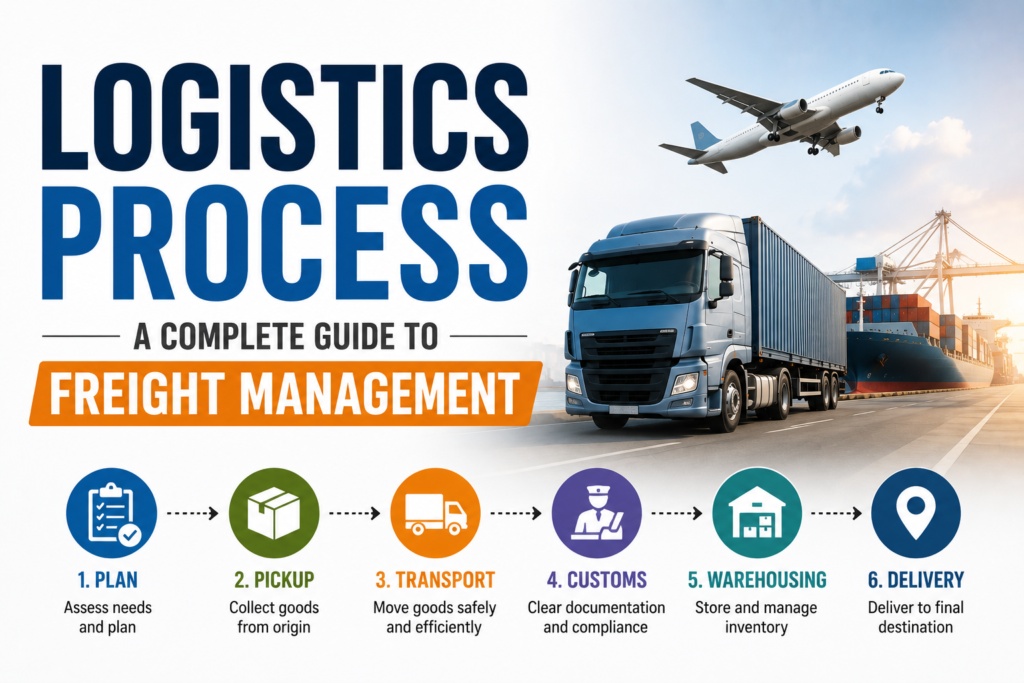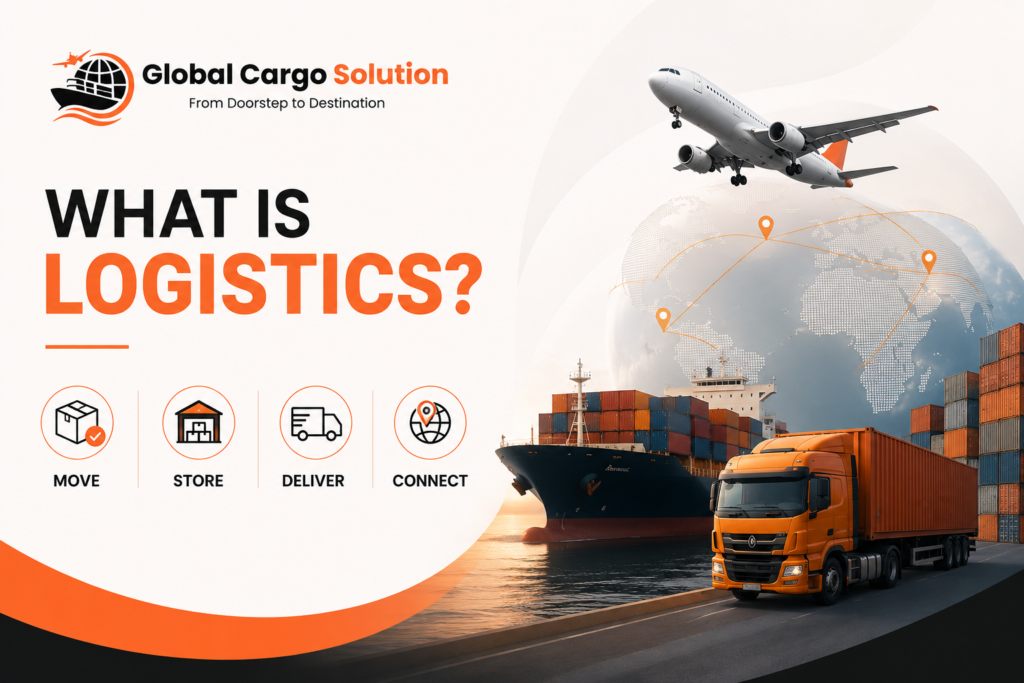
Understanding what is logistics is essential for businesses that want to improve operational efficiency and maintain smooth supply chain performance. Logistics refers to the planning, coordination, movement, storage, and delivery of goods from the point of origin to the final destination. It plays a critical role across industries by ensuring products reach customers accurately and on time.
Modern logistics goes beyond transportation alone. It includes inventory control, warehouse operations, order management, and distribution strategies that support business growth. Companies that build efficient logistics processes often reduce costs, improve customer satisfaction, and create stronger long-term operational performance.
Why Logistics Is Important in Modern Business?
To fully understand what is logistics, it is important to recognize its impact on daily business operations and long-term growth. Logistics connects suppliers, warehouses, transportation networks, and customers into one coordinated process that keeps products moving efficiently across the supply chain.
Effective logistics helps businesses reduce delays, control operating expenses, and improve service reliability. It also supports inventory accuracy and better demand forecasting. Understanding of logistics management allows companies to organize resources, coordinate activities, and maintain visibility across procurement, storage, and final delivery processes while improving overall operational performance.
Core Components of Logistics Operations?
When exploring what is logistics, it is helpful to understand the major functions that keep supply chains operating efficiently. Logistics is built around several connected processes including transportation, warehousing, inventory management, order fulfillment, packaging, and distribution. Each component contributes to moving products accurately and efficiently.
Strategic coordination is equally important because logistics decisions affect cost, delivery speed, and customer satisfaction. Businesses that invest in structured planning often achieve stronger operational outcomes. This is where logistics planning becomes relevant, as planning establishes the framework for forecasting demand, allocating resources, and maintaining continuous supply chain performance.
Types of Logistics and Their Business Applications?
A complete understanding of what is logistics also includes recognizing that logistics is divided into multiple operational categories. Inbound logistics focuses on sourcing and receiving goods, while outbound logistics manages storage, shipping, and final product delivery. Reverse logistics handles returns, recycling, and product recovery processes.
Businesses also rely on supporting logistics systems that improve visibility and coordination across operations. One commonly used term is what is asn in logistics, which refers to an Advance Shipping Notice that provides shipment details before goods arrive. This helps organizations improve receiving accuracy, inventory control, and supply chain efficiency.
Logistics vs Transportation: Understanding the Difference?
Many people assume logistics and transportation are identical, but they serve different functions within supply chain operations. Understanding what is logistics requires recognizing that transportation is only one component of a broader operational system. Transportation focuses specifically on moving goods from one location to another through road, air, sea, or rail networks.
In comparison, logistics includes planning, inventory management, warehousing, coordination, and delivery execution. Businesses researching what is the difference between logistics and transportation often discover that transportation handles movement, while logistics manages the complete process that ensures products reach customers efficiently and cost effectively.
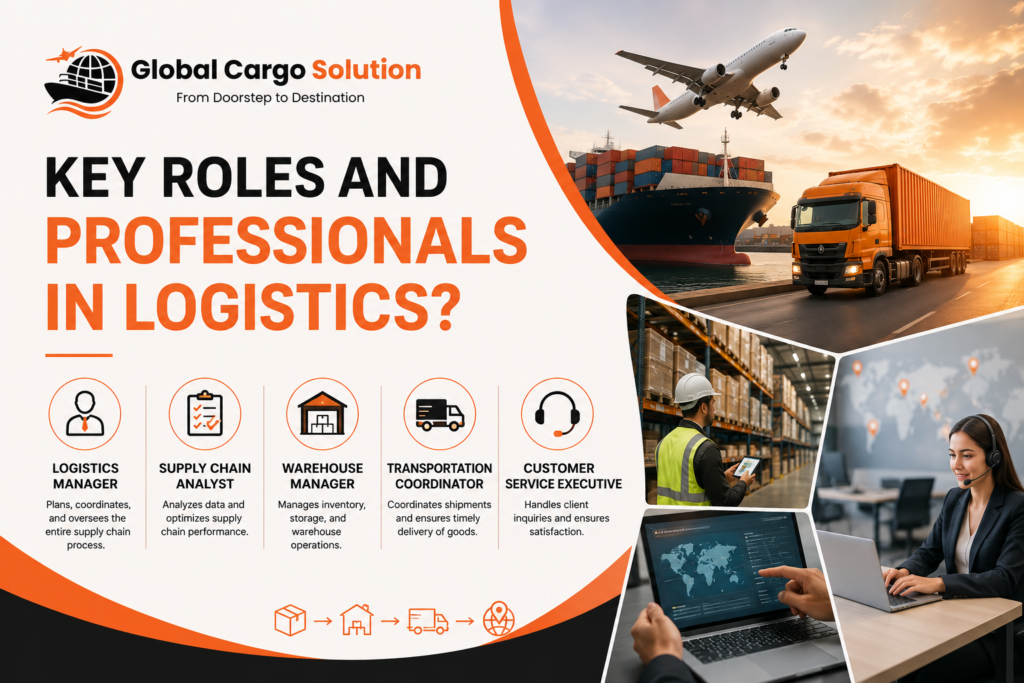
Key Roles and Professionals in Logistics?
A strong understanding of what is logistics also includes knowing the people responsible for keeping operations efficient. Logistics depends on coordinated teams that manage inventory, transportation schedules, warehouse activities, supplier communication, and delivery performance. Every role contributes to maintaining smooth supply chain execution.
One important position businesses frequently evaluate is what is a logistics officer. A logistics officer oversees logistics operations, monitors inventory flow, coordinates shipments, supports procurement activities, and ensures products move efficiently across the supply chain. Effective logistics professionals help organizations reduce delays, control costs, and maintain consistent service quality.
Important Metrics and Timing in Logistics Operations?
To understand what is logistics, businesses must also focus on performance measurement and operational visibility. Logistics success depends on tracking delivery accuracy, inventory turnover, fulfillment speed, transportation efficiency, and customer satisfaction. These indicators help organizations identify bottlenecks and improve decision-making across the supply chain.
One commonly used term is what is eta in logistics, where ETA stands for Estimated Time of Arrival. This metric provides expected delivery timing for shipments and allows businesses and customers to plan accordingly. Accurate ETA tracking improves communication, reduces uncertainty, and supports more reliable logistics performance.
Logistics Data and Decision-Making in Modern Operations?
A complete view of logistics includes understanding how data supports operational decisions. Businesses increasingly use analytics to forecast demand, optimize inventory levels, improve delivery routes, and reduce supply chain risks. Data-driven logistics enables companies to react faster to market changes and improve overall efficiency.
Although analytical methods are used in many industries, some professionals also explore how to perform logistic regression in SPSS for research and operational analysis. This statistical approach is commonly applied to identify relationships between variables and support better forecasting and performance evaluation in logistics-related studies and business planning.
Future of Logistics and Business Growth?
The future of supply chain operations continues to evolve as businesses adopt digital tools, automation, and smarter distribution networks. Understanding of logistics becomes increasingly important because efficient logistics directly influences customer experience, cost control, and business scalability. Companies that modernize logistics processes are better positioned to respond to changing market conditions.
Technologies such as real-time tracking, predictive analytics, warehouse automation, and integrated management platforms are transforming operational performance. Businesses that continuously improve logistics capabilities can strengthen resilience, increase efficiency, and maintain competitive advantages in both local and global markets.
Conclusion
Understanding what logistics is helps businesses build stronger supply chains and improve overall operational performance. Logistics combines planning, transportation, warehousing, inventory control, and delivery coordination into one connected system that supports efficient movement of goods and services. As markets become more competitive and customer expectations continue to increase, effective logistics practices create measurable advantages through lower costs, better visibility, and faster response times. Businesses that invest in modern logistics strategies and continuous operational improvement position themselves for long-term growth, stronger customer relationships, and sustainable business success.
Frequently Asked Questions (FAQs)
1. What is logistics?
What is logistics refers to the process of planning, coordinating, storing, and transporting goods from the source to the final destination. It helps businesses maintain efficient supply chain operations and improve customer service.
2. What is logistics management?
What is logistics management involves overseeing inventory, transportation, warehousing, order fulfillment, and distribution activities to ensure efficient movement of products and resources.
3. Why is logistics important for businesses?
Logistics helps organizations reduce operational costs, improve delivery performance, manage inventory effectively, and increase customer satisfaction through streamlined supply chain processes.
4. What is ETA in logistics?
What is eta in logistics refers to Estimated Time of Arrival, which indicates the expected time shipments or deliveries will reach their destination.
5. What is ASN in logistics?
What is ASN in logistics? ASN (Advance Shipping Notice is a document or notification sent before shipment arrival to improve receiving accuracy and inventory planning.
6. What is the difference between logistics and transportation?
Businesses asking what is the difference between logistics and transportation is should know that transportation focuses on moving goods, while logistics manages the complete process, including planning, storage, coordination, and delivery.