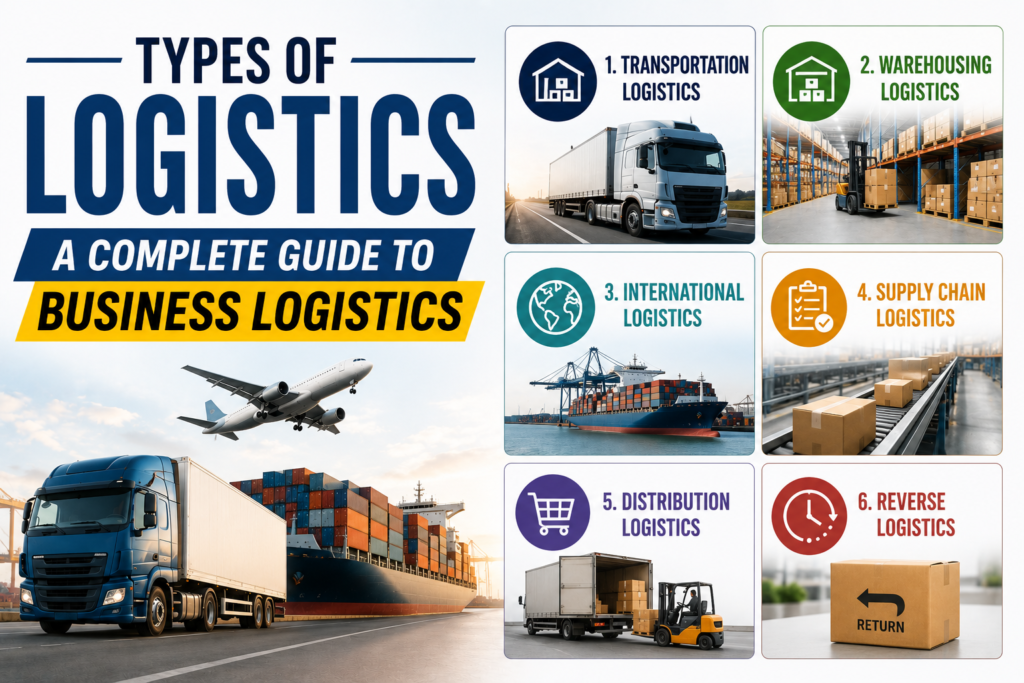
Modern businesses rely on efficient Types of Logistics to keep products moving from suppliers to customers without delays or unnecessary costs. Whether a company manufactures goods, manages online orders, or ships cargo internationally, every stage depends on well-planned Logistics, Supply Chain, Transportation, Warehousing, Freight Forwarding, Inventory Management, and Order Fulfillment. Each logistics function plays a unique role in improving operational efficiency, reducing expenses, and enhancing customer satisfaction. As global trade continues to grow, organizations must understand how different logistics systems work together to maintain reliable operations and meet increasing market demands. In this comprehensive guide, you’ll explore the major Types of Logistics, how they support businesses across various industries, the technologies driving modern logistics, and practical strategies for selecting the right approach. Whether you’re managing local deliveries or international cargo movements, understanding these types of logistics models helps build stronger, more efficient operations while preparing your business for sustainable long-term growth.
What Is Logistics and Why Does It Matter?
At its core, logistics is the process of planning, coordinating, implementing, and monitoring the efficient movement and storage of goods, services, and information from the point of origin to the final customer. Effective logistics ensures that the right products reach the right destination at the right time while minimizing costs and maximizing efficiency. Every successful Supply Chain depends on synchronized activities such as Procurement, Transportation, Warehousing, Inventory Control, Packaging, Shipment Tracking, and Customs Clearance. Businesses that invest in well-structured types of logistics operations can reduce delays, optimize resources, improve delivery accuracy, and strengthen customer trust. As markets become increasingly competitive and customer expectations continue to rise, organizations that prioritize modern logistics strategies gain greater operational flexibility, improve profitability, and create a strong foundation for long-term business growth.
Understanding the Main Types of Logistics
Every business relies on different Types of Logistics to ensure products move efficiently throughout the entire supply chain. Instead of operating as separate functions, these logistics categories work together to maintain a continuous flow of materials, information, and finished goods. Inbound Logistics focuses on receiving raw materials from suppliers, while Outbound Logistics manages deliveries to customers. Production Logistics supports manufacturing by ensuring materials are available when needed, and Procurement Logistics coordinates purchasing activities. Reverse Logistics handles product returns, repairs, and recycling, while Green Logistics emphasizes environmentally responsible operations. Modern businesses also benefit from Digital Logistics, which integrates technologies such as Artificial Intelligence (AI), IoT, GPS Tracking, and Warehouse Management Systems (WMS) to improve visibility and efficiency. Understanding these logistics functions helps organizations streamline operations, reduce costs, and respond more effectively to changing customer demands.
Inbound Logistics: Managing Incoming Goods
Inbound Logistics focuses on the movement of raw materials, components, and supplies from Suppliers to a company’s Warehouse, Distribution Center, or manufacturing facility. This process includes purchasing coordination, transportation planning, receiving shipments, inventory inspections, quality checks, and proper storage before production begins. Efficient inbound operations help businesses maintain accurate Inventory Management, prevent stock shortages, and reduce unnecessary storage costs. By using technologies such as Warehouse Management Systems (WMS), Barcode Scanners, RFID, and real-time shipment tracking, companies gain better visibility into incoming inventory and improve operational planning. Strong supplier relationships and accurate demand forecasting further enhance the reliability of inbound logistics. When materials arrive on time and in the right quantities, production schedules remain uninterrupted, operational efficiency improves, and businesses are better equipped to meet customer demand while controlling overall logistics expenses.
Outbound Logistics: Delivering Products to Customers
Outbound logistics manages the movement of finished products from a company’s warehouse or fulfillment center to distributors, retailers, or end customers. Once production is complete, this process includes order processing, picking, packing, labeling, shipping, and final delivery. Efficient outbound operations rely on accurate Order Fulfillment, optimized Transportation, route planning, and real-time Shipment Tracking to ensure products arrive safely and on schedule. Businesses often use Transportation Management Systems (TMS), automated sorting, and delivery analytics to improve speed while reducing shipping costs. Reliable outbound types of logistics also strengthens customer satisfaction by minimizing delivery delays, reducing damaged shipments, and providing clear tracking updates. As customer expectations continue to rise, businesses that optimize their outbound logistics processes gain a competitive advantage through faster deliveries, better service quality, improved operational efficiency, and stronger long-term customer relationships.
Distribution Logistics: Connecting Products with Markets
Distribution Logistics plays a critical role in ensuring finished products reach wholesalers, retailers, e-commerce fulfillment centers, or end customers through the most efficient delivery network. It focuses on coordinating inventory allocation, warehouse dispatch, transportation scheduling, route optimization, and demand planning to keep goods flowing smoothly across different markets. Businesses rely on strategically located Distribution Centers, reliable Freight Forwarding, Fleet Management, and real-time delivery visibility to shorten transit times while controlling operational costs. A well-designed distribution network minimizes stock shortages, prevents delivery bottlenecks, and improves product availability across multiple locations. It also supports business expansion by enabling companies to serve regional and international markets with greater consistency. When distribution processes are optimized, organizations enhance delivery performance, strengthen customer confidence, improve operational efficiency, and build a resilient logistics network capable of supporting long-term growth.
Production Logistics: Supporting Manufacturing Operations
Production Logistics ensures that raw materials, components, equipment, and work-in-progress inventory move efficiently throughout the manufacturing process. Its primary objective is to supply every production stage with the right materials at the right time, preventing delays that could interrupt operations. Effective production logistics involves material handling, production scheduling, internal transportation, inventory replenishment, warehouse coordination, and workflow optimization. Manufacturers often use Enterprise Resource Planning (ERP) systems, automated material handling equipment, Warehouse Management Systems (WMS), and demand forecasting tools to improve accuracy and reduce waste. By maintaining a continuous flow of materials between storage areas and production lines, businesses can increase productivity, lower manufacturing costs, reduce idle time, and improve product quality. Strong production logistics also enables organizations to respond quickly to changing market demand while maintaining consistent operational performance and efficient resource utilization.
Procurement Logistics: Managing Supplier Relationships
Procurement logistics focuses on sourcing the right materials, products, and services from reliable suppliers while ensuring they are delivered on time and at the best possible cost. It involves supplier selection, purchase planning, contract coordination, order management, inbound transportation, and inventory replenishment to keep business operations running smoothly. Effective procurement types of logistics strengthen collaboration with Suppliers, improve purchasing efficiency, and reduce the risk of production delays caused by material shortages. Organizations also monitor supplier performance, lead times, product quality, and delivery reliability to build long-term partnerships that support consistent operations. By integrating procurement activities with forecasting, inventory planning, and transportation management, businesses can reduce unnecessary expenses, improve resource utilization, and maintain a steady flow of materials. A well-managed procurement process ultimately supports operational stability, higher productivity, and stronger competitiveness in today’s fast-moving marketplace.
Reverse Logistics: Handling Product Returns Efficiently
Reverse logistics manages the movement of products from customers back to businesses for returns, repairs, refurbishment, recycling, replacement, or safe disposal. Unlike traditional logistics, which focuses on delivering products, reverse logistics is designed to recover value from returned goods while minimizing waste and operational costs. An efficient returns process includes product inspection, transportation, quality assessment, inventory updates, and appropriate handling based on the item’s condition. Many businesses use automated return management systems and real-time tracking to simplify customer returns and improve processing speed. Effective reverse logistics not only enhances customer satisfaction through hassle-free return experiences but also supports sustainability by encouraging product reuse and responsible recycling. By reducing unnecessary losses, recovering usable inventory, and improving operational visibility, businesses can strengthen profitability while meeting growing consumer expectations for environmentally responsible operations.
Green Logistics: Building Sustainable Supply Chains
Modern logistics is no longer measured only by speed and cost; sustainability has become equally important. Green logistics focuses on reducing the environmental impact of types of logistics operations through smarter transportation, energy-efficient warehousing, and responsible resource management. Businesses adopt eco-friendly packaging, optimize delivery routes, improve vehicle utilization, and reduce fuel consumption to lower carbon emissions without compromising service quality. Many organizations also invest in electric delivery vehicles, renewable energy, paperless documentation, and recyclable packaging materials to support long-term environmental goals. Technologies such as GPS Tracking, route optimization software, and data analytics help eliminate unnecessary mileage while improving delivery efficiency. Sustainable logistics practices not only protect the environment but also reduce operating expenses, strengthen brand reputation, and help businesses comply with evolving environmental regulations, making green logistics an essential part of modern supply chain management.
Digital Logistics: The Future of Smart Operations
Digital transformation is reshaping how logistics companies plan, manage, and optimize their operations. Digital logistics combines advanced technologies to improve visibility, automation, and decision-making across the logistics network. Solutions such as Artificial Intelligence (AI), the Internet of Things (IoT), Cloud Computing, Big Data Analytics, GPS Tracking, RFID, Warehouse Management Systems (WMS), and Transportation Management Systems (TMS) provide real-time insights into inventory, shipments, and fleet performance. Automated warehouses, predictive maintenance, and intelligent route optimization help businesses reduce delays, minimize human error, and increase operational efficiency. Digital platforms also enable instant communication between suppliers, carriers, warehouses, and customers, ensuring faster responses to changing demand. By embracing smart logistics technologies, organizations improve accuracy, enhance customer experience, lower operating costs, and build agile logistics operations that remain competitive in an increasingly connected global marketplace.
How Different Logistics Types Work Together
No logistics function operates in isolation. Successful Business Logistics is built on the seamless integration of every logistics activity, ensuring products move efficiently from suppliers to end customers. The process begins with sourcing raw materials through procurement, followed by inbound transportation to warehouses or manufacturing facilities. Production logistics then supports manufacturing by supplying materials at the right time, while distribution and outbound logistics ensure finished products reach customers quickly and accurately. If products are returned, reverse logistics manages inspections, repairs, recycling, or replacements without disrupting operations. Throughout every stage, technologies such as Enterprise Resource Planning (ERP), Warehouse Management Systems (WMS), and Transportation Management Systems (TMS) connect departments through real-time data and automated workflows. When these types of logistics functions work together, businesses reduce delays, improve inventory accuracy, increase operational efficiency, and consistently deliver exceptional customer experiences.
Choosing the Right Types of Logistics Strategy
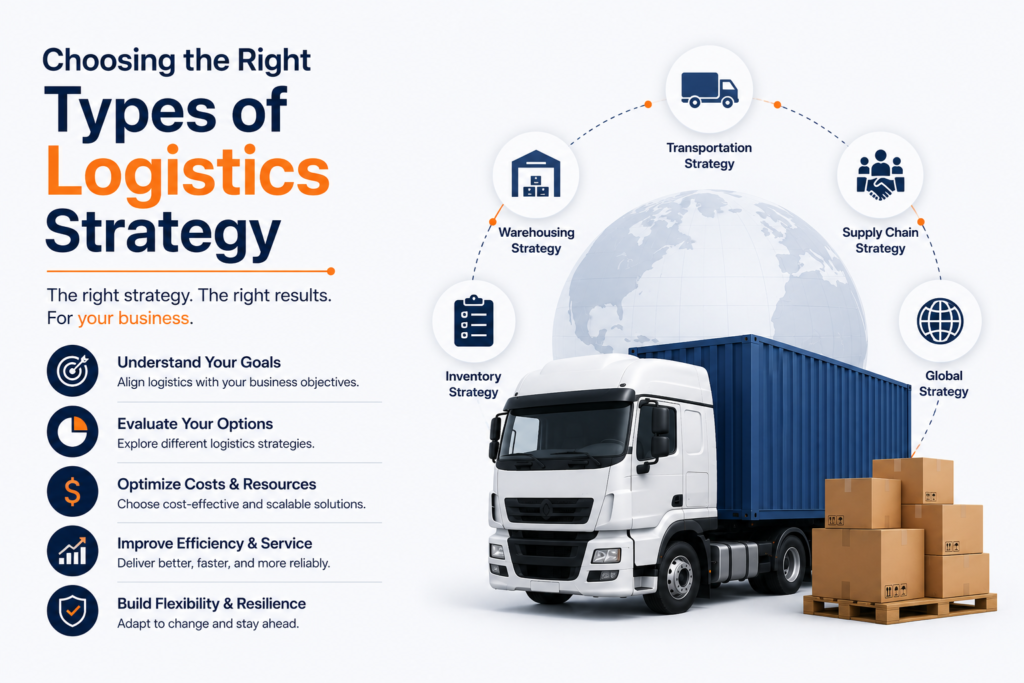
Selecting the right types of logistics strategy depends on your business goals, industry requirements, customer expectations, and shipping volume. Companies that handle local deliveries may prioritize efficient transportation and warehousing, while businesses serving international markets often require freight forwarding, customs expertise, and global shipping coordination. A successful strategy should balance cost, speed, flexibility, and reliability while adapting to future business growth. Factors such as inventory levels, delivery timelines, seasonal demand, technology adoption, and supplier relationships all influence logistics performance. Investing in modern tracking systems, automation, and data-driven planning enables businesses to make informed decisions and respond quickly to market changes. Choosing the right Supply Chain Solutions also helps improve operational visibility, reduce unnecessary expenses, minimize delivery disruptions, and create a resilient types of logistics network that supports long-term growth and consistently delivers outstanding customer service.
How Global Cargo Solution Supports Every Type of Logistics
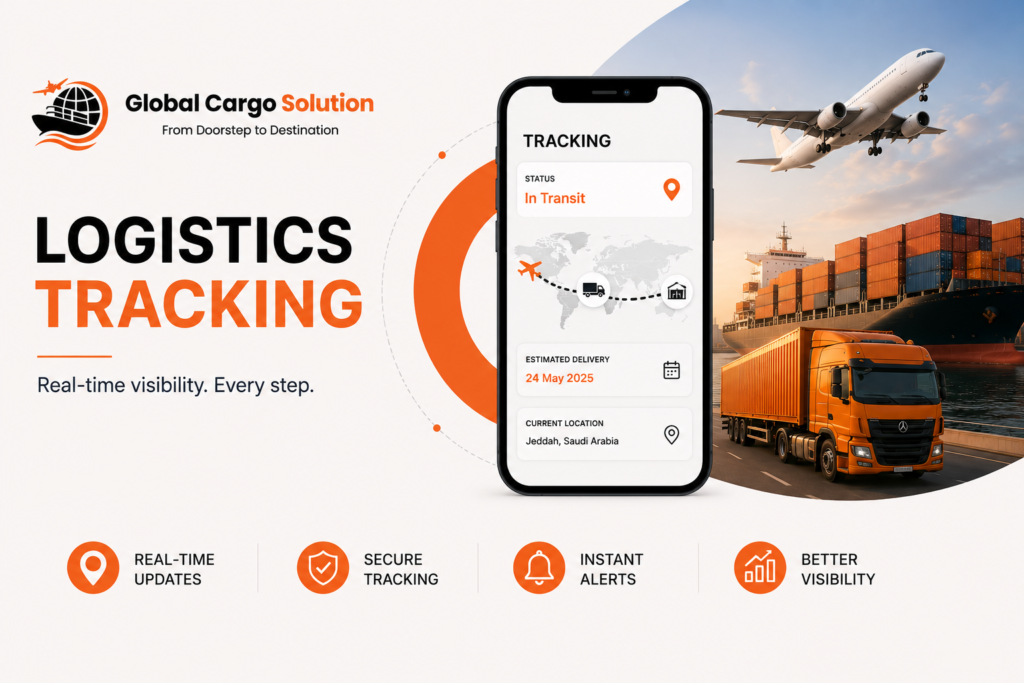
Managing modern logistics requires experience, reliable infrastructure, and a customer-focused approach. Global Cargo Solution provides comprehensive logistics services designed to support businesses and individuals with efficient cargo movement across Saudi Arabia and international markets. Whether you need Air Freight, Sea Freight, Road Freight, Freight Forwarding, Customs Clearance, Warehousing, Storage Solutions, Transportation Services, or professional Relocation Services, our team delivers tailored solutions that match your operational requirements. We focus on timely deliveries, secure cargo handling, transparent communication, and real-time shipment visibility to ensure every shipment reaches its destination safely and efficiently. By combining industry expertise with modern types of logistics technologies and a strong transportation network, Global Cargo Solution helps businesses reduce operational complexity, improve delivery performance, optimize logistics costs, and build dependable supply chains that support sustainable business growth.
Conclusion
Understanding the Types of Logistics is essential for businesses that want to improve operational efficiency, reduce costs, and deliver exceptional customer experiences. From managing inbound supplies and production workflows to outbound deliveries, reverse logistics, and digital transformation, every type of logistics function contributes to a stronger and more reliable operation. As customer expectations and global trade continue to evolve, investing in efficient logistics strategies becomes a key competitive advantage. At Global Cargo Solution, we combine industry expertise, advanced types of logistics technologies, and dependable transportation services to simplify cargo movement for businesses of every size. Whether you require domestic distribution, international freight forwarding, warehousing, or relocation support, our team is committed to delivering secure, timely, and cost-effective logistics solutions that help your business grow with confidence.
Frequently Asked Questions (FAQs)
What are the main Types of Logistics?
The main Types of Logistics include inbound logistics, outbound logistics, production logistics, procurement logistics, reverse logistics, green logistics, and digital logistics. Each type manages a different stage of moving, storing, and delivering goods, ensuring smooth operations across the entire types of logistics process.
What is the difference between inbound and outbound logistics?
Inbound logistics focuses on receiving raw materials and supplies from suppliers, while outbound logistics manages the storage, shipping, and delivery of finished products to customers. Together, they maintain a continuous flow of goods and improve operational efficiency.
Why is reverse logistics important?
Reverse logistics helps businesses process product returns, repairs, recycling, and replacements efficiently. It reduces waste, recovers value from returned products, improves customer satisfaction, and supports sustainable business practices.
How does technology improve logistics operations?
Modern technologies such as Artificial Intelligence (AI), GPS Tracking, RFID, Warehouse Management Systems (WMS), and Transportation Management Systems (TMS) automate operations, improve shipment visibility, optimize routes, enhance inventory accuracy, and reduce operational costs.
Which industries benefit the most from logistics services?
Almost every industry depends on logistics, including manufacturing, retail, e-commerce, healthcare, automotive, construction, food distribution, and international trade. Efficient logistics ensures products move safely, quickly, and cost-effectively throughout the supply chain.
How can Global Cargo Solution help my business?
Global Cargo Solution offers reliable freight forwarding, transportation, warehousing, customs clearance, relocation, and cargo management services. Our tailored logistics solutions help businesses improve delivery performance, reduce costs, and manage domestic and international shipments with confidence.