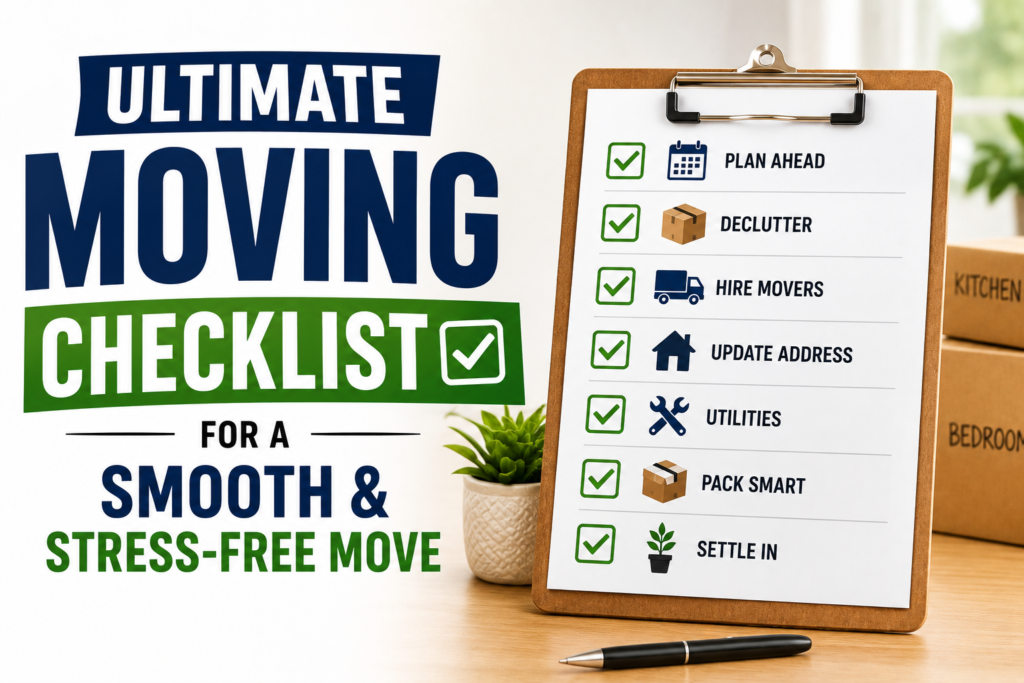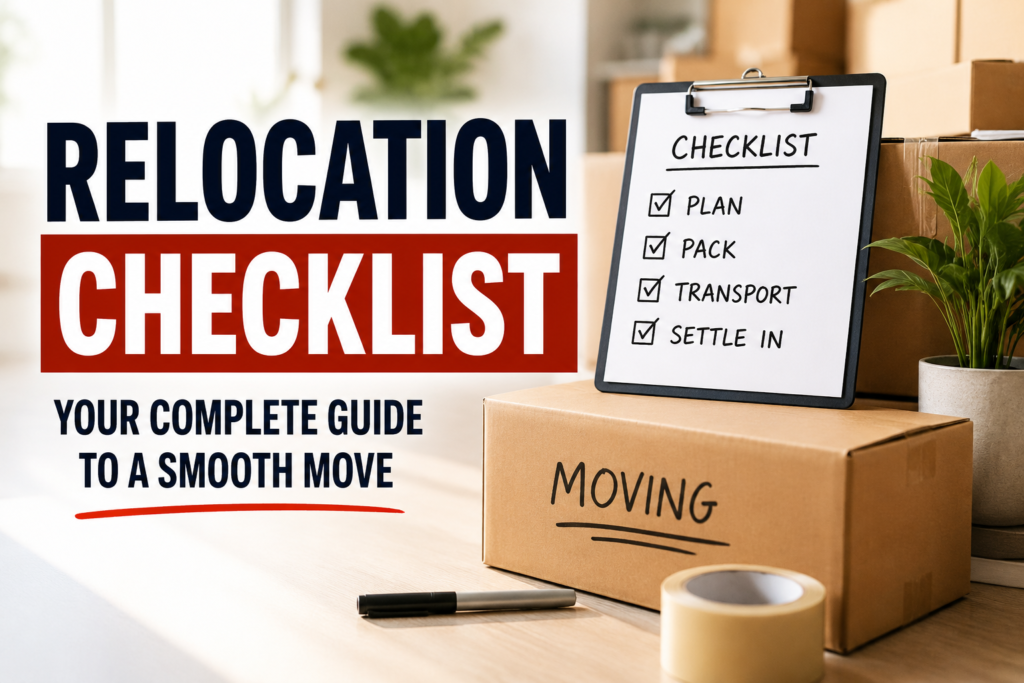
Planning a move involves much more than packing boxes and arranging transportation. A well-organized Relocation Checklist helps you stay on schedule, avoid unnecessary expenses, and reduce the stress that often comes with changing homes. Whether you’re moving across the city or moving to Saudi Arabia, having a clear plan ensures every task is completed at the right time. From organizing important documents to protecting household goods, coordinating packing materials, and selecting reliable Relocation Services, each step contributes to a smoother experience. This guide walks you through every stage of the moving process, helping you prepare confidently, protect your belongings, and settle into your new home with minimal disruption.
Why Every Move Needs a Checklist
A carefully planned Relocation Checklist keeps every stage of your move organized, from the initial planning phase to settling into your new home. Instead of relying on memory, you can track deadlines, manage your moving budget, organize important documents, and monitor your inventory list with confidence. It also helps you coordinate packing, loading, transportation, and unloading while reducing the risk of forgotten tasks or unexpected delays. Whether you’re moving a small apartment or a large family home, following a structured checklist improves efficiency, protects your personal belongings, and makes the entire relocation process far less stressful.
8 Weeks Before Your Move
Your Relocation Checklist should begin at least eight weeks before your planned moving date. Start by confirming your schedule, estimating your moving budget, and creating a timeline for every major task. Research professional movers, request detailed quotations, and compare the services they provide, including packing, storage, insurance coverage, and door-to-door delivery. This is also the ideal time to declutter your home by donating, selling, or disposing of items you no longer need. Reducing unnecessary belongings lowers transportation costs, simplifies packing, and makes the entire relocation process more efficient while giving you better control over every stage of the move.
6 Weeks Before Your Move
With six weeks remaining, your Relocation Checklist should focus on organizing paperwork and preparing your belongings. Gather essential documents such as your passport, visa, employment records, tenancy agreement, insurance documents, and any relocation contracts in one secure folder. Next, create a detailed inventory list of your household goods, especially valuable or fragile items, to make tracking easier during transport. Begin collecting quality packing boxes, bubble wrap, packing tape, and protective materials so you’re fully prepared when packing starts. Completing these tasks early reduces last-minute stress and helps ensure every item is accounted for before moving day.
4 Weeks Before Your Move
Four weeks before moving, your Relocation Checklist should shift from planning to active packing. Pack one room at a time and label every box with its contents and destination to make unpacking easier. Use sturdy cardboard boxes, bubble wrap, furniture covers, and protective wrapping to safeguard delicate belongings during transit. Keep electronics, jewelry, important documents, and medications separate so they remain easily accessible. One of the best House Moving Tips is to prepare an essentials box containing daily necessities, chargers, toiletries, and a change of clothes for your first day in the new home.
2 Weeks Before Your Move
Two weeks before your moving date, use your Relocation Checklist to confirm every booking and finalize outstanding arrangements. Contact your moving company to verify the pickup time, delivery address, and any special handling requirements. Arrange for utility disconnections at your current home and schedule new connections where needed. Review your moving contract, confirm insurance coverage, and ensure your inventory list matches every packed box. If you have large furniture, plan for disassembly before loading and confirm access to elevators or parking areas. Completing these final checks helps prevent delays and keeps your move running smoothly.
Moving Day Checklist
Moving day is when your Relocation Checklist becomes most valuable. Before loading begins, complete a final walk-through to ensure no household goods or personal belongings are left behind. Keep your passport, keys, wallet, phone charger, and other essentials with you instead of placing them in the moving truck. Supervise the loading process, confirm that every labeled box is accounted for, and inspect fragile items before departure. Once everything is loaded, lock the property, record the final meter readings if required, and stay in contact with your moving coordinator until the shipment safely reaches its destination.
After You Arrive at Your New Home
After arriving, continue following your Relocation Checklist to make the transition as smooth as possible. Begin by comparing each delivered item with your inventory list and inspect boxes for visible damage before unpacking. Prioritize setting up essential areas such as the bedroom, bathroom, and kitchen so your family can settle in comfortably. Test electricity, water supply, internet connection, and major appliances to ensure everything is working properly. Keep all moving documents and receipts until the relocation is fully complete, and report any missing or damaged items promptly to your relocation provider for a faster resolution.
Common Relocation Mistakes to Avoid
Even the best move can become stressful if common mistakes are overlooked. Your Relocation Checklist should help you avoid booking movers at the last minute, underestimating your moving budget, or packing without a clear plan. Many people forget to label boxes properly, skip insurance coverage, or fail to back up important documents before moving. Another frequent mistake is ignoring the value of a detailed inventory list, which makes it difficult to track belongings during transportation. Taking time to review each task carefully helps prevent delays, protects your valuables, and ensures a more organized and efficient relocation experience.
How Professional Movers Help You Move
Choosing an experienced moving company can save time, reduce stress, and protect your belongings throughout the relocation process. Professional teams provide expert packing, careful loading, secure transportation, and efficient unloading while using high-quality materials to minimize the risk of damage. They can also assist with furniture disassembly, reassembly, temporary storage, shipment tracking, and handling fragile or oversized items with extra care. Instead of managing every detail yourself, rely on your Relocation Checklist to coordinate with your movers, confirm schedules, review service agreements, and ensure every stage of the move is completed safely and on time.
Final Thoughts
A well-planned Relocation Checklist is the key to a successful and stress-free move. By preparing early, staying organized, and completing each task on time, you can avoid common moving challenges and protect your valuable belongings throughout the journey. Whether you’re relocating locally or internationally, following a structured plan makes every stage more manageable and efficient. At Global Cargo Solution, our experienced team provides reliable relocation support with professional packing, secure transportation, and timely delivery tailored to your needs. Contact us today for a customized moving solution and enjoy a smooth relocation from start to finish.
Frequently Asked Questions (FAQs)
1. What is included in a complete relocation checklist?
A complete relocation checklist includes planning your moving timeline, setting a moving budget, hiring professional movers, organizing important documents, decluttering your home, packing room by room, updating your address, arranging utility transfers, and inspecting your belongings after delivery. Following a checklist helps ensure nothing is overlooked during the relocation process.
2. How far in advance should I book relocation services?
It is best to book relocation services at least 6–8 weeks before your moving date, especially during busy moving seasons. Early booking gives you more options, better pricing, and enough time to compare moving companies, review insurance coverage, and prepare your household goods for transportation.
3. What are the most important house moving tips for a stress-free move?
Some of the most effective House Moving Tips include starting early, decluttering unnecessary items, clearly labeling every box, packing fragile belongings with protective materials, preparing an essentials bag, keeping important documents with you, and using a detailed inventory list to track all household items.
4. What documents should I prepare before moving to a new home?
Before relocating, organize essential documents such as passports, visas (if applicable), tenancy agreements, identification cards, insurance policies, employment records, moving contracts, and utility account information. Keeping these documents in one secure folder makes the relocation process much smoother.
5. How can I reduce moving costs without affecting the quality of my move?
You can lower moving expenses by decluttering before packing, comparing quotes from multiple moving companies, booking relocation services in advance, packing non-fragile items yourself, and avoiding unnecessary transportation of unwanted furniture or household goods.
6. Why is an inventory list important during relocation?
An inventory list helps you keep track of every packed item throughout the moving process. It allows you to verify that all boxes have been delivered, simplifies unpacking, supports insurance claims if needed, and reduces the risk of lost or misplaced belongings during transportation.
7. Can professional movers help with international relocation?
Yes. Professional movers often provide complete international relocation services, including expert packing, customs documentation assistance, secure transportation, shipment tracking, temporary storage, and safe delivery of household goods. This makes moving to Saudi Arabia or any international destination much easier and more organized.