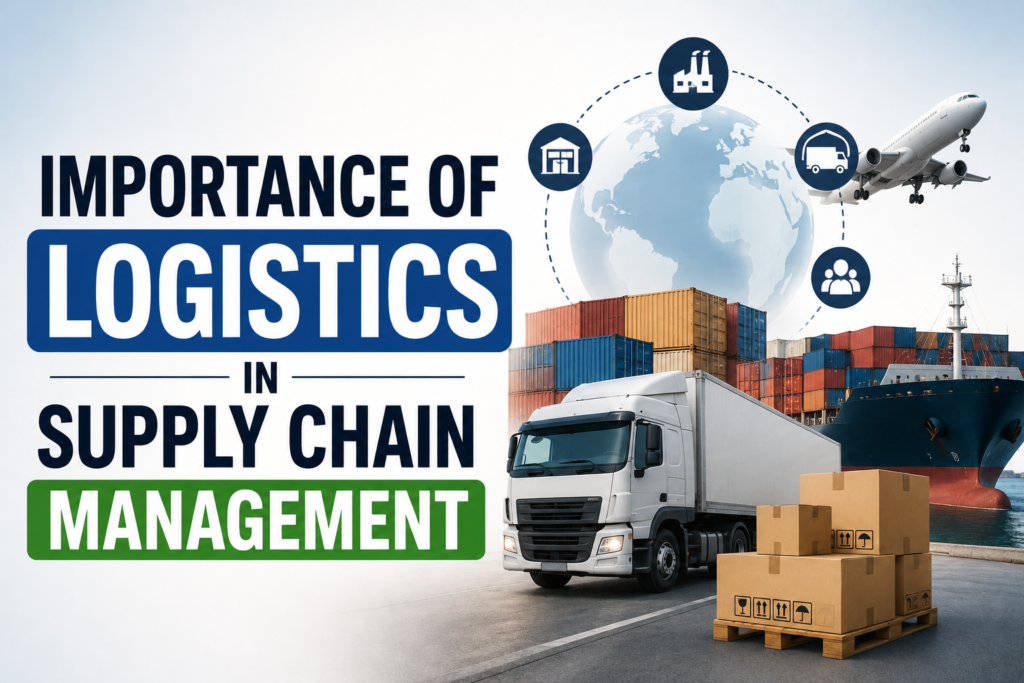
The Importance of Logistics becomes clear when businesses need to move products, information, and resources efficiently from suppliers to final customers. Logistics connects critical activities such as transportation, warehousing, inventory control, order processing, and distribution, ensuring that goods reach the right destination at the right time and in the right condition. Effective Supply Chain Management depends on reliable coordination between manufacturers, carriers, warehouses, retailers, and customers. Without a structured logistics system, businesses may face delivery delays, higher operating costs, stock shortages, damaged cargo, and dissatisfied customers. Understanding logistics helps companies improve efficiency, reduce waste, strengthen customer relationships, and build a more responsive supply chain that supports long-term growth and market competitiveness.
What Logistics Means in a Supply Chain
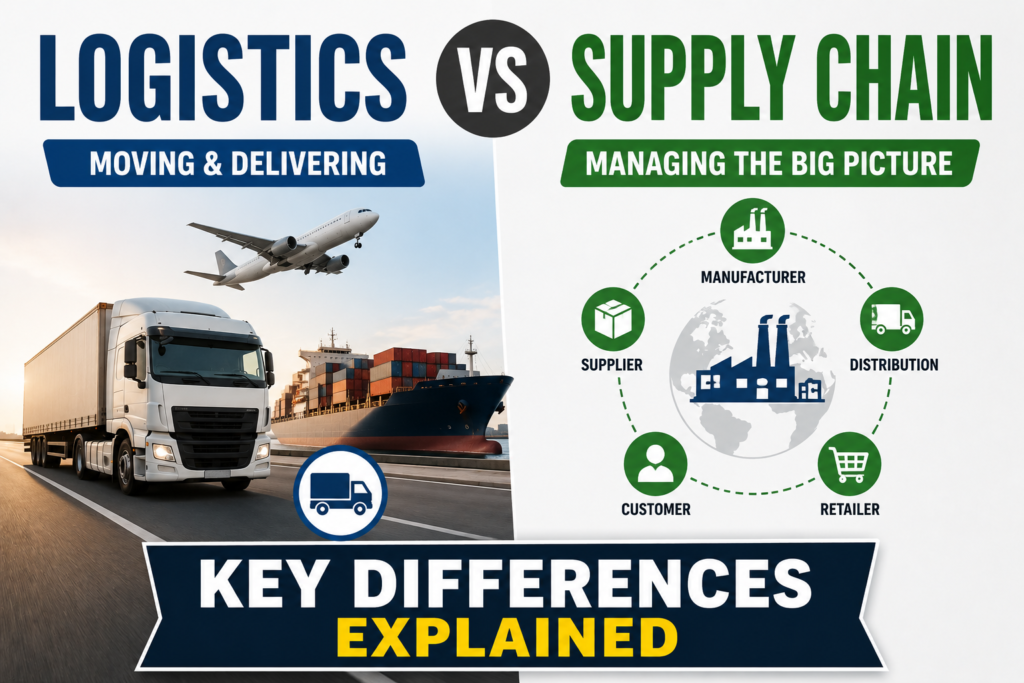
The Importance of Logistics lies in its ability to coordinate the movement, storage, and flow of goods throughout the entire supply chain. Logistics involves planning, implementing, and controlling how products travel from raw materials to manufacturing, warehouses, distribution centers, and finally to the end customer. While many people associate logistics only with transportation, it also includes inventory planning, material handling, packaging, shipment tracking, and order fulfillment. A well-managed logistics system ensures every stage works together efficiently, reducing delays and improving operational performance. Businesses that understand logistics can maintain consistent product availability, optimize resources, minimize unnecessary costs, and respond quickly to changing customer demand. Strong coordination between every logistics activity creates a faster, more reliable, and more resilient supply chain.
Why Logistics Matters to Every Business
The Importance of Logistics extends far beyond transporting goods from one location to another. An efficient logistics system helps businesses control operating costs, improve delivery performance, and maintain a steady flow of products across the entire business network. From procurement and production to storage, freight, and final delivery, every stage relies on effective coordination to keep operations running smoothly. Poor logistics can result in delayed shipments, excess inventory, damaged products, and lost sales, ultimately affecting customer confidence and profitability. In contrast, businesses that recognize the importance of logistics gain greater operational efficiency, better resource utilization, and stronger market competitiveness. Reliable logistics also enables organizations to adapt quickly to changing demand, expand into new markets, and consistently deliver the level of service customers expect.
Logistics Connects Every Supply Chain Stage
The Importance of Logistics is evident in the way it connects every stage of the supply chain into one coordinated process. From sourcing raw materials and managing suppliers to supporting manufacturing, warehouse operations, distribution, and final delivery, logistics keeps products and information moving without unnecessary interruptions. Accurate coordination ensures that materials arrive on time, production schedules remain consistent, and finished goods are delivered according to customer expectations. Efficient logistics also improves communication between departments by providing visibility into inventory levels, shipment status, and delivery schedules. Understanding logistics allows businesses to eliminate operational bottlenecks, reduce lead times, improve order accuracy, and create a seamless flow of goods from origin to destination, resulting in higher productivity and stronger overall business performance.
Lower Costs Through Better Logistics
One of the biggest reasons businesses recognize the Importance of Logistics is its ability to reduce operational costs without compromising service quality. Efficient logistics planning helps optimize transportation routes, improve warehouse utilization, minimize unnecessary storage expenses, and reduce product damage during handling and delivery. By coordinating shipments effectively, businesses can lower fuel consumption, avoid empty vehicle trips, and decrease emergency transportation costs. Better demand forecasting and inventory planning also prevent overstocking and stock shortages, helping companies use their working capital more efficiently. Logistics becomes even more valuable when organizations continuously analyze delivery performance, streamline workflows, and eliminate waste throughout their operations. These improvements lead to higher profitability, improved productivity, and a stronger competitive position while maintaining reliable and timely deliveries for customers.
Improve Inventory and Product Flow
Maintaining the right balance of inventory is another reason businesses understand the Importance of Logistics. Effective logistics ensures products are available when customers need them while preventing excessive stock that increases storage costs. Through accurate inventory management, demand forecasting, and coordinated replenishment, businesses can improve product availability and reduce the risk of stockouts or overstocking. Efficient movement of goods between warehouses, distribution centers, and retail locations also keeps the supply chain operating smoothly and minimizes delays. Logistics is reflected in how well organizations manage product flow from procurement to final delivery, ensuring every item reaches the correct destination at the right time. Strong planning and real-time visibility help improve inventory accuracy, reduce waste, support faster order fulfillment, and enhance overall operational efficiency.
Speed Up Order Fulfilment
The Importance of Logistics is clearly reflected in the speed and accuracy of order fulfilment. Once a customer places an order, every step, including order processing, picking, packing, dispatch, shipment tracking, and final delivery, must work together efficiently to meet delivery expectations. Delays at any stage can increase costs, disrupt operations, and reduce customer satisfaction. Businesses that optimize their fulfilment process through efficient planning, organized warehouse operations, and real-time shipment visibility can process orders faster while maintaining high accuracy. Logistics also lies in reducing handling errors, improving delivery reliability, and shortening lead times without compromising product safety. A streamlined fulfilment process helps companies serve more customers, improve operational performance, strengthen brand reputation, and create a consistent delivery experience that encourages long-term customer loyalty.
Build Customer Trust Through Delivery
The Importance of Logistics is measured not only by operational efficiency but also by the trust it builds with customers. Every successful delivery reflects a company’s commitment to reliability, professionalism, and service quality. Customers expect their orders to arrive on time, in excellent condition, and with accurate delivery updates throughout the journey. Efficient last-mile delivery, secure cargo handling, responsive customer support, and real-time tracking all contribute to a positive customer experience. When deliveries are delayed, damaged, or inaccurate, customer confidence and brand reputation can quickly decline. Logistics therefore extends beyond transportation by helping businesses maintain consistent service standards, improve customer satisfaction, encourage repeat purchases, and strengthen long-term relationships. Reliable delivery performance becomes a key competitive advantage in today’s fast-moving and customer-focused marketplace.
Strengthen Warehousing Operations
The Importance of Logistics is closely connected to efficient warehousing because storage facilities play a critical role in keeping products organized, protected, and ready for distribution. Modern warehouses do far more than store inventory; they support receiving, inspection, barcode scanning, material handling, order picking, packing, and dispatch while maintaining accurate inventory records. Well-planned warehouse layouts reduce handling time, improve productivity, and minimize the risk of product damage. Businesses that invest in organized storage systems and efficient workflows can respond more quickly to customer demand while reducing operational waste.
Choose the Right Transport Method
Selecting the most suitable transportation option demonstrates the Importance of Logistics in delivering goods safely, efficiently, and cost-effectively. Businesses must evaluate factors such as shipment size, delivery deadlines, product value, destination, and budget before choosing between road freight, air freight, sea freight, or multimodal transportation. Each method offers different advantages depending on transit time, cargo type, and shipping distance. Careful route planning, carrier selection, and load optimization further improve delivery performance while reducing transportation expenses. Logistics becomes even more apparent when companies match the right transport solution to each shipment, minimizing delays and ensuring reliable deliveries. Making informed transportation decisions helps reduce operational risks, improve supply chain efficiency, protect valuable cargo, and consistently meet customer expectations across domestic and international markets.
Reduce Risks and Supply Disruptions
The Importance of Logistics becomes even more critical when businesses face unexpected disruptions that can affect the movement of goods. Challenges such as supplier delays, severe weather, vehicle breakdowns, port congestion, customs inspections, or fluctuating customer demand can interrupt normal operations and increase costs. A well-planned logistics strategy includes risk assessment, contingency planning, shipment visibility, and alternative transportation routes to minimize these disruptions. Businesses that prepare for potential risks can maintain delivery schedules, protect valuable cargo, and respond quickly when conditions change. Logistics also lies in improving operational resilience by reducing downtime, maintaining inventory availability, and ensuring business continuity during uncertain situations. Proactive planning enables organizations to protect customer commitments while keeping the supply chain stable, efficient, and reliable under changing market conditions.
Simplify Customs and Global Trade
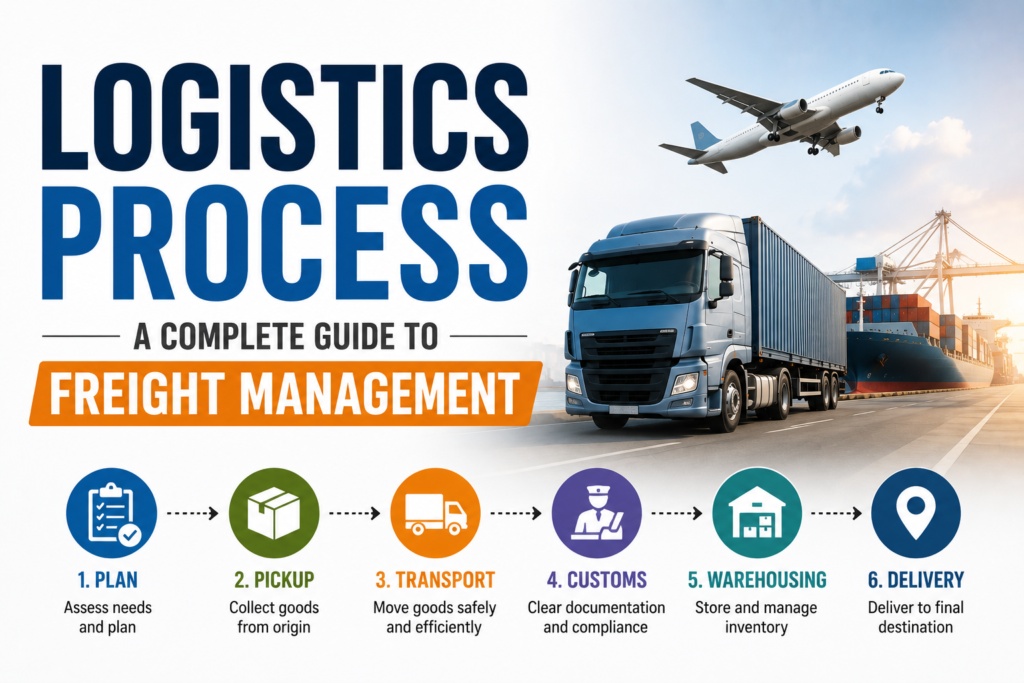
The Importance of Logistics is especially evident in international trade, where efficient customs procedures help keep goods moving across borders without unnecessary delays. Every international shipment requires accurate customs clearance, import documentation, export documentation, commercial invoices, packing lists, and compliance with local trade regulations. Even small documentation errors can result in shipment holds, additional costs, or missed delivery deadlines. Businesses that maintain organized records and follow regulatory requirements can reduce clearance times and improve the reliability of cross-border operations. Logistics lies in coordinating documentation, transportation, and regulatory compliance to ensure shipments reach their destinations efficiently. Strong customs planning minimizes risks, supports uninterrupted trade, improves delivery performance, and helps businesses expand confidently into regional and international markets while maintaining consistent service quality.
Use Technology for Better Visibility
Modern technology has transformed the Importance of Logistics by providing greater visibility and control over every stage of product movement. Businesses now rely on GPS tracking, warehouse management systems, transportation management systems, barcode technology, RFID, automation, and real-time data to monitor shipments, improve inventory accuracy, and respond quickly to unexpected delays. These digital tools allow companies to make informed decisions, optimize delivery routes, and maintain consistent communication with customers throughout the shipping process. Effective Logistics Management combines technology with operational expertise to improve efficiency, reduce manual errors, and strengthen overall supply chain performance. Logistics is further enhanced through predictive analytics, digital documentation, and live shipment updates, enabling businesses to increase productivity, improve service reliability, and deliver a seamless customer experience in today’s competitive marketplace.
Support Sustainable Business Growth
The Importance of Logistics extends beyond daily operations by helping businesses achieve long-term, sustainable growth. Efficient logistics reduces waste, improves resource utilization, and supports environmentally responsible practices without sacrificing service quality. Strategies such as route optimization, load consolidation, fuel-efficient transportation, energy-conscious warehouses, and responsible packaging help lower operating costs while reducing environmental impact. Businesses that continuously improve their logistics processes are better positioned to scale operations, enter new markets, and adapt to changing customer expectations. Logistics is also reflected in its ability to support consistent business performance through efficient planning, reliable deliveries, and optimized resource management. By investing in smarter logistics practices, organizations strengthen profitability, improve operational resilience, enhance brand reputation, and create a foundation for sustainable success in an increasingly competitive global marketplace.
Importance of Logistics in Saudi Arabia
The Importance of Logistics continues to grow as Saudi Arabia strengthens its position as a regional trade and distribution hub. Major commercial cities such as Riyadh, Jeddah, Dammam, Al Khobar, and Jubail rely on efficient transportation networks, modern ports, airports, and warehousing facilities to support industries including manufacturing, retail, construction, healthcare, and e-commerce. Reliable logistics enables businesses to move goods quickly, maintain inventory availability, and serve customers across the Kingdom with greater efficiency. Expanding regional trade and increasing demand for faster, more dependable cargo movement have made efficient logistics operations essential. Companies that invest in well-planned logistics can improve delivery performance, reduce operational costs, strengthen customer satisfaction, and support long-term business growth throughout Saudi Arabia and the wider GCC region.
When to Outsource Logistics Operations
As businesses grow, managing logistics internally can become increasingly complex and resource-intensive. This is where the Importance of Logistics becomes even more apparent, as partnering with an experienced provider allows companies to focus on their core operations while improving delivery efficiency. Organizations should consider outsourcing when they experience rising transportation costs, limited warehouse capacity, frequent delivery delays, seasonal demand fluctuations, or expansion into new markets.
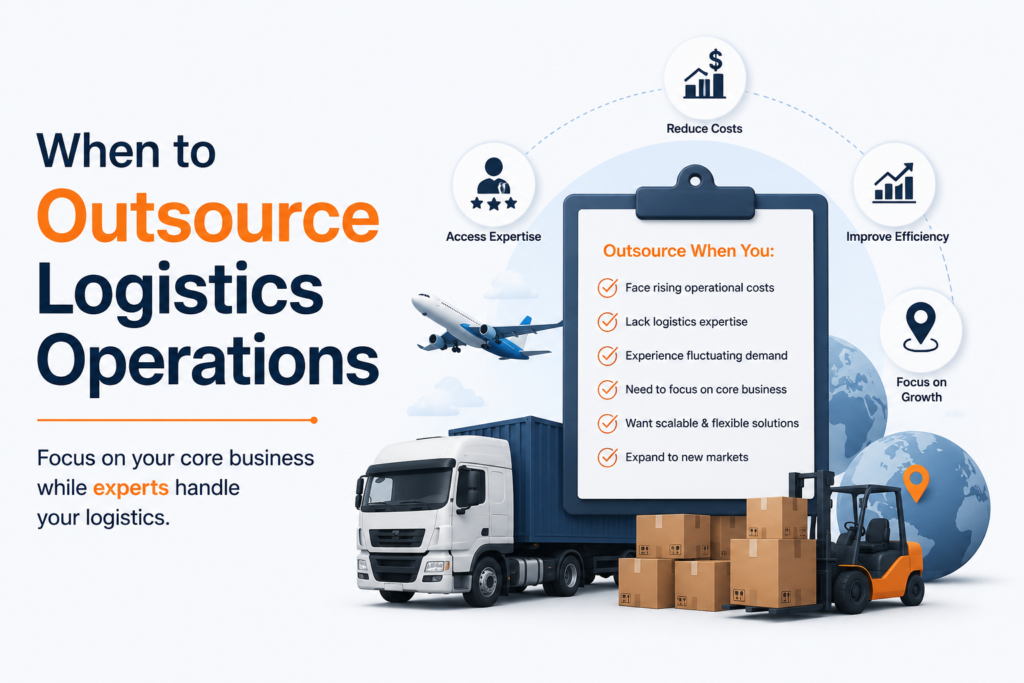
Professional Logistics Services provide access to experienced teams, advanced infrastructure, established carrier networks, and modern tracking technology without requiring significant capital investment. The Importance of Logistics is reflected in the flexibility and scalability that outsourcing offers, enabling businesses to streamline operations, reduce overhead costs, improve service quality, and respond quickly to changing customer and market requirements while maintaining consistent supply chain performance.
How Global Cargo Solution Can Help
At Global Cargo Solution, we understand the Importance of Logistics in keeping businesses and individuals connected through reliable transportation and efficient cargo movement. Our experienced team provides customized freight solutions designed to simplify every stage of the logistics process, from planning and coordination to secure delivery. We offer freight forwarding, road freight, air freight, sea freight, storage and warehousing, customs clearance, relocation support, and shipment tracking to meet a wide range of transportation needs. By combining industry expertise with modern logistics practices, we help clients improve operational efficiency, reduce transportation challenges, and ensure timely deliveries. Our commitment to transparent communication, dependable service, and customer satisfaction makes us a trusted logistics partner for businesses across Saudi Arabia and international trade routes.
Conclusion
The Importance of Logistics goes far beyond transporting goods from one place to another. It plays a vital role in improving operational efficiency, reducing costs, optimizing inventory, supporting international trade, and delivering a better customer experience. Businesses that invest in efficient logistics systems are better equipped to respond to market changes, minimize disruptions, and maintain a reliable flow of products across every stage of the supply chain.
As industries continue to grow and customer expectations evolve, strong logistics practices become a key driver of long-term success and competitiveness. At Global Cargo Solution, we are committed to delivering dependable logistics solutions that help businesses move cargo safely, efficiently, and on time. Contact our team today to discover how our expertise can simplify your logistics operations and support your business growth.
Frequently Asked Questions
1. Why is the Importance of Logistics essential for businesses?
The Importance of Logistics lies in its ability to ensure products move efficiently from suppliers to customers while reducing operational costs and improving delivery performance. Effective logistics supports inventory control, timely transportation, accurate order fulfilment, and better customer satisfaction, helping businesses operate more efficiently and remain competitive in today’s marketplace.
2. How does logistics support the supply chain?
Logistics connects every stage of the supply chain by coordinating procurement, transportation, warehousing, inventory, and distribution. It ensures that materials and finished products move smoothly between suppliers, manufacturers, warehouses, retailers, and customers while maintaining accurate information flow and minimizing delays.
3. What are the main functions of logistics?
The primary functions of logistics include transportation, warehousing, inventory control, order processing, packaging, material handling, shipment tracking, and distribution. Together, these activities ensure products are stored, managed, and delivered efficiently while maintaining quality and reducing operational costs.
4. How can efficient logistics reduce business costs?
Efficient logistics reduces costs by optimizing transportation routes, minimizing fuel consumption, improving warehouse utilization, preventing inventory shortages and overstocking, reducing product damage, and streamlining daily operations. These improvements increase productivity while maintaining reliable customer service.
5. Why is transportation important in logistics?
Transportation is a core part of logistics because it connects suppliers, warehouses, businesses, and customers. Choosing the right transportation method improves delivery speed, protects cargo, reduces shipping costs, and ensures products reach their destinations safely and on schedule.
6. How does technology improve logistics operations?
Modern technologies such as GPS tracking, warehouse management systems, transportation management systems, barcode scanning, RFID, automation, and real-time shipment visibility help businesses improve efficiency, monitor inventory, reduce errors, optimize routes, and provide accurate delivery updates to customers.
7. Why choose Global Cargo Solution for logistics support?
Global Cargo Solution offers dependable freight forwarding, transportation, warehousing, customs coordination, relocation assistance, and cargo handling solutions tailored to business requirements. Our experienced team focuses on safe transportation, timely deliveries, transparent communication, and reliable customer support to help businesses streamline logistics operations and achieve long-term growth.