Modern supply chains depend on speed, visibility, and operational efficiency. As businesses expand across regions and customer expectations continue to rise, many companies choose 3pl logistics solutions to simplify transportation, warehousing, inventory control, and order fulfillment. Rather than managing every logistics function internally, businesses can outsource these operations to specialized providers that already have the infrastructure and expertise in place.
Understanding what is Third Party Logistics is essential for companies aiming to reduce costs while improving delivery performance. A third-party logistics provider acts as an extension of a business and handles selected supply chain activities based on operational needs. This approach allows organizations to focus on growth, customer experience, and core business objectives while maintaining flexible and scalable logistics operations.
What Is 3PL Logistics?
To understand the value of 3pl logistics, it is important to look at how the model works in real business environments. Third-party logistics providers manage specific supply chain functions on behalf of companies, including transportation, storage, distribution, order processing, and fulfillment. This operational structure gives businesses access to logistics expertise without the cost of building and maintaining their own networks.
The term 3pl third party logistics refers to outsourcing logistics activities to an external provider that coordinates movement and storage more efficiently. Companies across retail, manufacturing, eCommerce, and wholesale industries use this model to increase flexibility, improve delivery timelines, and respond faster to market demand.
How 3PL Logistics Works in Modern Supply Chains?
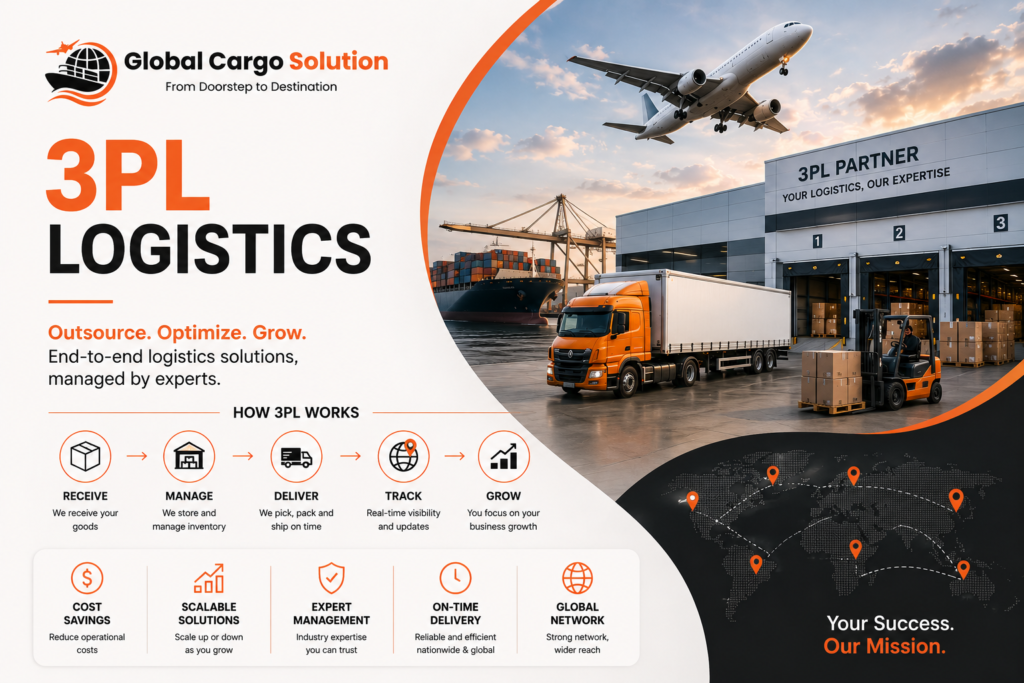
A 3pl logistics provider becomes an integrated part of the supply chain by managing logistics activities from inventory intake to final delivery. The process typically begins with receiving goods at a warehouse, followed by inventory tracking, order processing, packing, shipping coordination, and returns management. Businesses maintain visibility while reducing the operational burden on internal teams.
Many organizations evaluating logistics models also ask what is 3pl and 4pl in logistics because both involve outsourced supply chain support. While 3PL providers execute logistics operations directly, companies often adopt this model first to gain efficiency, scalability, and better control over distribution performance.
Key Services Offered by 3PL Logistics Providers?
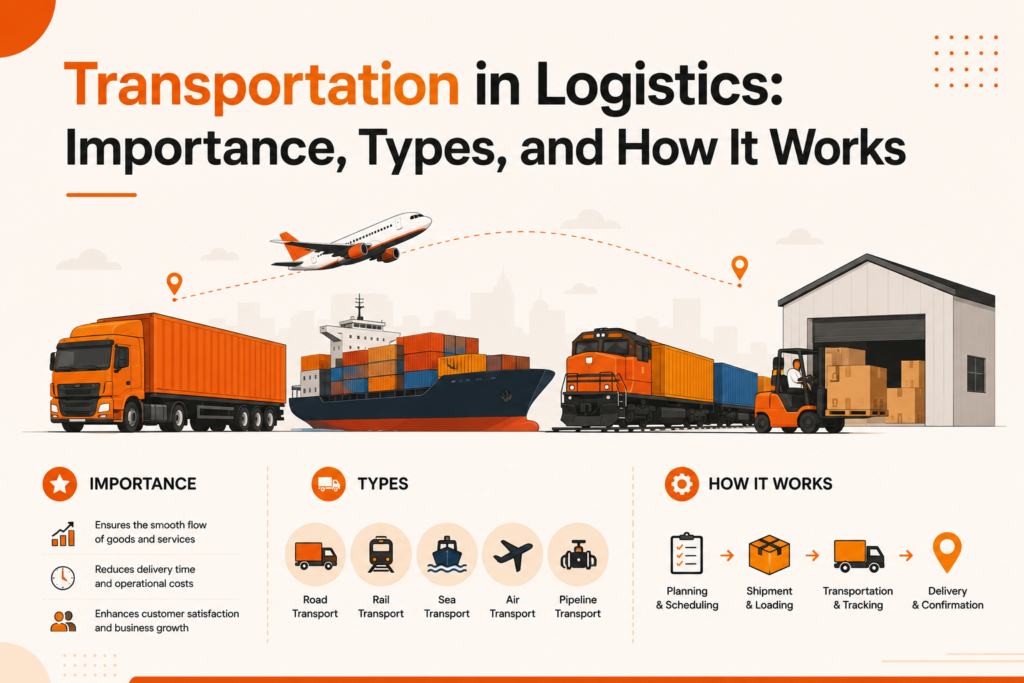
Businesses choose Third Party Logistics because these providers deliver more than transportation alone. Their services are designed to support end-to-end supply chain performance while reducing operational complexity. Common solutions include warehousing, inventory management, freight coordination, order fulfillment, packaging, cross-docking, and reverse logistics.
A well-structured 3PL model also provides technology integration that improves shipment tracking and reporting accuracy. Companies can scale operations during seasonal demand without investing in additional infrastructure. By outsourcing logistics functions to experienced specialists, organizations gain greater efficiency, lower overhead costs, and improved service levels across domestic and international distribution networks.
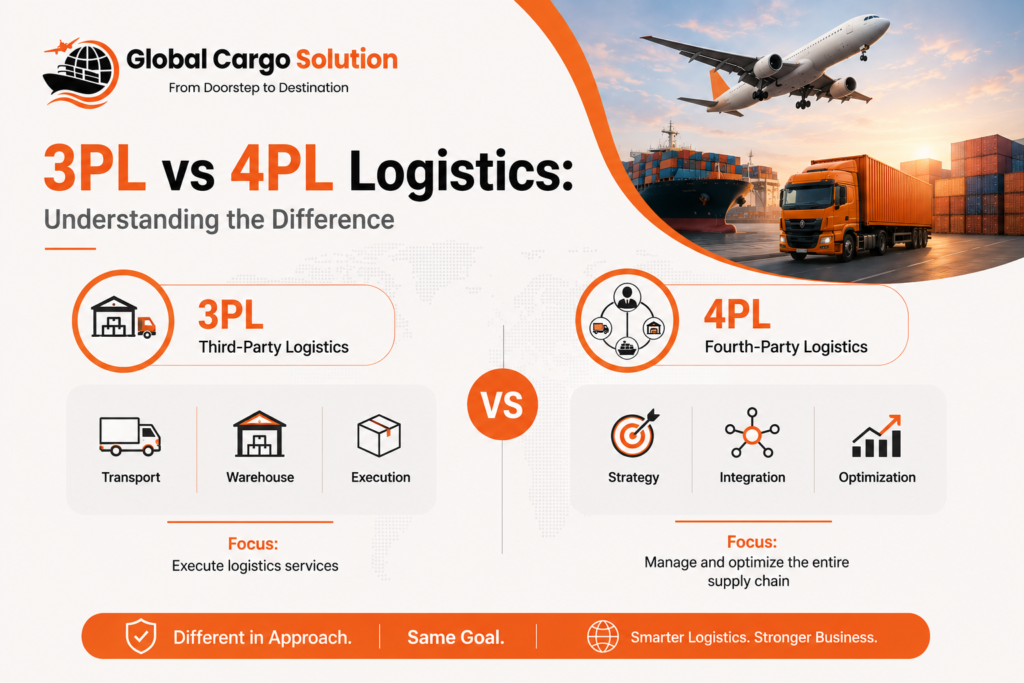
3PL vs 4PL Logistics: Understanding the Difference?
When evaluating outsourced supply chain solutions, businesses often compare 3pl vs 4pl logistics to determine which model aligns with operational goals. A 3PL provider manages execution activities such as transportation, warehousing, fulfillment, and distribution. The business still retains overall supply chain oversight and strategic control.
In contrast, a 4PL model operates at a broader management level and may coordinate multiple logistics providers while overseeing the entire supply chain strategy. Discussions around 3pl 4pl logistics generally focus on the level of control, integration, and responsibility required. Companies seeking operational execution often begin with 3PL before expanding into more comprehensive supply chain management.
Benefits of Choosing 3PL Logistics for Business Growth?
Implementing 3pl logistics can create measurable advantages for businesses that want to improve operational efficiency and customer satisfaction. Outsourcing logistics functions reduces the need for large capital investments in warehouses, transportation assets, and workforce management. Companies can access established logistics networks while maintaining flexibility as demand changes.
Another major benefit is scalability. Businesses can increase or decrease logistics capacity without rebuilding internal systems. Faster order fulfillment, improved inventory accuracy, and better shipment visibility contribute to stronger customer experiences. By transferring logistics complexity to specialized providers, organizations gain more time and resources to focus on sales, expansion, and long-term growth strategies.
Industries That Benefit Most from 3PL Logistics?
The flexibility of Third Party Logistics makes it valuable across a wide range of industries with different distribution and fulfillment requirements. Retail and eCommerce businesses use third-party logistics providers to manage inventory movement, accelerate order processing, and support high-volume deliveries. Manufacturers benefit through streamlined transportation and more efficient warehouse operations.
Healthcare, automotive, consumer goods, and wholesale sectors also rely on outsourced logistics to maintain supply continuity and improve operational performance. Companies experiencing seasonal demand or rapid market expansion often find 3PL especially effective because it provides scalable infrastructure without requiring long-term investment in logistics assets and internal operational teams.
How to Choose the Right 3PL Logistics Partner?
Selecting the right 3pl logistics provider requires more than comparing pricing structures. Businesses should evaluate operational capabilities, warehouse coverage, transportation networks, technology integration, reporting systems, and service flexibility. A provider should align with current requirements while also supporting future growth and changing supply chain demands.
It is also important to review industry experience, delivery performance, customer support standards, and scalability options. Transparent communication and real-time visibility can significantly improve logistics decision-making. Companies that invest time in choosing the right partner often achieve stronger efficiency, reduced operational risks, and more consistent service outcomes across their supply chain operations.
Why Third Party Logistics Is Becoming Essential for Modern Businesses?
As supply chains become more complex and customer expectations continue to increase, 3pl logistics has evolved from an optional service into a strategic business function. Companies are under pressure to deliver faster, control operational costs, and maintain visibility across inventory and transportation activities. Third-party logistics providers help meet these goals through established infrastructure and specialized operational support.
Businesses that adopt 3PL solutions can respond more quickly to market changes and expansion opportunities without significant internal investment. Whether supporting regional distribution or large-scale fulfillment operations, a structured logistics approach helps organizations improve efficiency, strengthen customer experience, and maintain long-term competitive performance.
Conclusion
Effective supply chain management plays a direct role in business growth, customer satisfaction, and long-term operational success. Investing in 3pl logistics allows companies to improve efficiency, reduce infrastructure costs, and gain access to experienced logistics capabilities without increasing internal complexity.
From warehousing and transportation to fulfillment and inventory coordination, third-party logistics providers support scalable operations across multiple industries. Businesses evaluating outsourced logistics solutions should consider operational requirements, growth objectives, and service flexibility before selecting a partner. A well-planned logistics strategy creates stronger performance, greater adaptability, and a more resilient supply chain in competitive markets.
Frequently Asked Questions (FAQs)
1. What is 3PL logistics?
Third Party Logistics refers to outsourcing logistics functions such as warehousing, transportation, inventory management, and order fulfillment to a specialized third-party provider. This allows businesses to improve operational efficiency while focusing on core activities.
2. What is the difference between 3PL and 4PL logistics?
The main difference in 3pl vs 4pl logistics is the level of responsibility. A 3PL provider executes logistics operations, while a 4PL provider manages and coordinates the broader supply chain strategy and multiple service providers.
3. What is 3PL and 4PL in logistics?
Businesses researching what is 3pl and 4pl in logistics should know that 3PL focuses on operational logistics services, whereas 4PL delivers higher-level supply chain management and integration.
4. Which businesses benefit most from 3PL logistics?
Retail, eCommerce, manufacturing, healthcare, wholesale, and growing businesses benefit from 3pl logistics because it improves scalability, delivery performance, and inventory control.
5. Is 3PL logistics cost effective?
Yes. this type of logistics can reduce operational expenses by minimizing investment in warehouses, transportation assets, technology, and labor while improving service efficiency.
6. How do companies choose a 3PL provider?
Companies should evaluate service coverage, warehouse capabilities, technology integration, reporting systems, scalability, industry experience, and customer support before selecting a logistics partner.